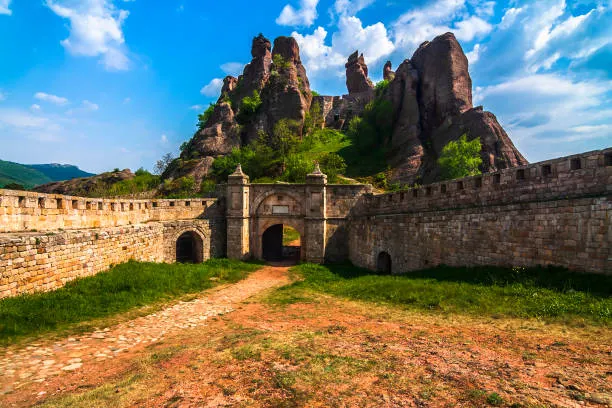
Belogradchik Fortress: Bulgaria’s Cliffside Stronghold of Stone and History 🏰⛰️
A Fortress Carved by Nature and Empire
In the rugged landscapes of northwestern Bulgaria, where towering red sandstone cliffs rise like ancient sentinels, lies the Belogradchik Fortress (also known as Kaleto). First constructed by the Romans between the 1st and 3rd centuries CE, this stronghold was later expanded during the medieval Bulgarian Empire and further fortified under the Ottoman Turks.
More than just a military structure, Belogradchik Fortress is a fusion of natural rock formations and human ingenuity, a site where cliffs serve as walls and centuries of history unfold within its stone gates.
Roman Origins: Foundations of a Cliffside Stronghold 🏛️
The earliest fortifications at Belogradchik date back to the Roman Empire, when the region formed part of the empire’s northern frontier near the Danube. The Romans recognized the strategic value of the cliffs, which provided a nearly impregnable defense.
Purpose of the Roman Fortress
-
To control passage through the Balkan mountains.
-
To monitor local tribes and secure trade routes.
-
To act as a military outpost guarding against invasions from the north.
The Romans built walls to complement the cliffs, creating an enclosure that served both defensive and administrative functions. These foundations formed the basis of the fortress that would evolve over the next 1,500 years.
Medieval Expansions: The Bulgarian Empire’s Stronghold ⚔️
By the 14th century, during the reign of Tsar Ivan Sratsimir of Vidin, Belogradchik Fortress became a critical defensive post. The Bulgarian rulers recognized its potential not only for defense but also as a regional power center.
Key Features of the Medieval Fortress
-
Stone walls up to 2.5 meters thick and 12 meters high.
-
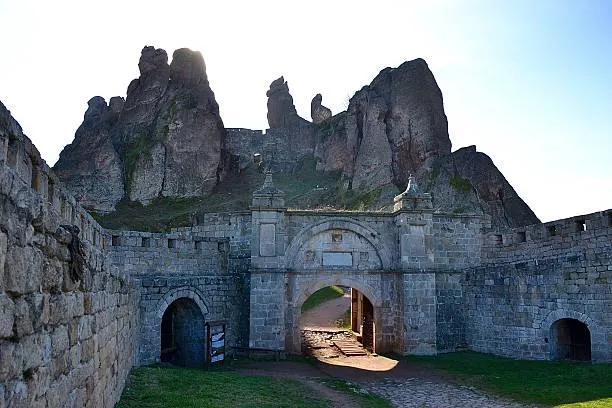
Fortified gates and towers added to protect entrances.
-
Expansion of the inner yard for residential and military purposes.
It became one of the most formidable Bulgarian fortresses, holding out against regional threats and symbolizing the resilience of the Bulgarian state in an era of political turbulence.
Ottoman Period: From Bulgarian Stronghold to Imperial Fortress 🕌
Following the Ottoman conquest of Bulgaria in the late 14th century, Belogradchik Fortress was not destroyed—instead, it was expanded and modernized. The Ottomans recognized its strategic importance for controlling the rebellious Balkan populations and monitoring the Danube frontier.
Ottoman Modifications
-
Reinforced bastions and walls to withstand gunpowder artillery.
-
Construction of barracks, storage facilities, and prayer spaces.
-
Integration into the regional Ottoman military network.
The fortress remained in use until the 19th century, even playing a role in the suppression of the Belogradchik Uprising of 1850, when local Bulgarians rose against Ottoman rule.
Natural Defenses: The Belogradchik Rocks 🌄
What makes Belogradchik Fortress unique is its setting among the Belogradchik Rocks, a spectacular formation of red sandstone pillars, towers, and cliffs formed over 200 million years by erosion and natural forces.
How the Rocks Enhance the Fortress
-
Sheer cliffs rise up to 70 meters, acting as natural walls.
-
Narrow passes allow defenders to funnel and trap attackers.
-
The rocks themselves form part of the fortress perimeter, reducing the need for constructed walls.
This blending of geology and architecture gives the fortress its dramatic appearance and formidable strength. It is one of the few fortresses in the world where natural formations serve as primary fortifications.
Architecture of Belogradchik Fortress 🏗️
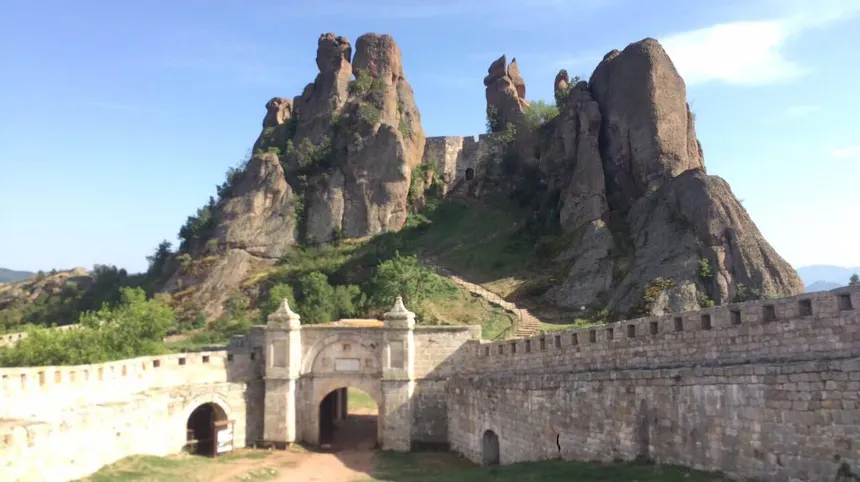
The fortress covers a total area of about 10,000 square meters and consists of three separate courtyards, each fortified and connected by gates.
The Three Sections
-
The First Courtyard – Used for military barracks and training.
-
The Second Courtyard – Contained administrative buildings and storage.
-
The Third Courtyard – The most protected, serving as the last defensive refuge.
Key Features
-
Stone gates with iron reinforcements.
-
Observation towers with panoramic views of the Balkan Mountains.
-
Hidden passages and stairways carved into the rocks.
Belogradchik in Modern History and Tourism 🌍
Rediscovery and Preservation
By the late 19th century, as Bulgaria regained independence from Ottoman rule, Belogradchik Fortress became a national symbol of resilience and history. Restoration efforts began in the 20th century, preserving its walls and towers for future generations.
Today’s Visitor Experience
The fortress is one of Bulgaria’s top cultural and natural attractions. Visitors can:
-
Walk through the three courtyards and climb the gates.
-
Explore panoramic viewpoints overlooking the Belogradchik Rocks.
-
Learn about Roman, medieval, and Ottoman history through guided tours.
The site also hosts cultural events and reenactments, blending history with modern tourism.
Fun Facts About Belogradchik Fortress 🎉
-
The fortress is nicknamed Kaleto, from the Turkish word kale, meaning “fortress.”
-
The Belogradchik Rocks have inspired numerous legends about petrified maidens, monks, and warriors.
-
Parts of the fortress were used as a prison during Ottoman times.
-
It is one of the few fortresses where nature and human engineering are seamlessly integrated.
-
Belogradchik Rocks were nominated for the New 7 Wonders of Nature in 2009, further boosting the fortress’s fame.
Why Belogradchik Fortress Matters Today
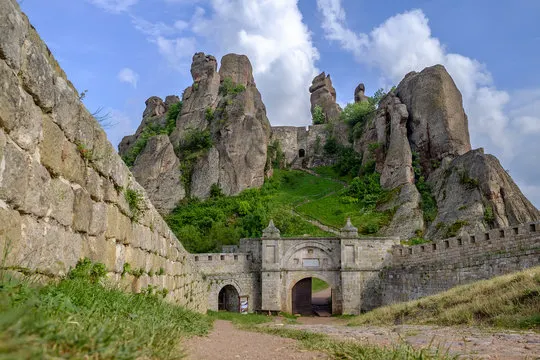
Belogradchik Fortress is not merely a relic of the past—it is a living bridge between civilizations. Romans, Bulgarians, and Ottomans each left their mark on its walls, creating a layered history that reflects the complex heritage of the Balkans.
Its dramatic setting among the red cliffs makes it a symbol of resilience, natural harmony, and strategic ingenuity. For Bulgarians, it is both a national treasure and a reminder of centuries of struggle and survival.
Conclusion: A Fortress Shaped by Stone and Time
The Belogradchik Fortress is more than stone walls—it is a testament to human history shaped by nature’s grandeur. From its Roman origins to its medieval and Ottoman expansions, it tells the story of empires that rose and fell, yet left behind enduring monuments.
Today, standing on its ramparts with the Balkan Mountains and Belogradchik Rocks stretching before you, one cannot help but feel the weight of history and the awe of nature combined.
For travelers, historians, and dreamers alike, Belogradchik Fortress remains one of Bulgaria’s most unforgettable wonders.
ALSO READ: Mor Hananyo Monastery: The Timeless Sanctuary of Syriac Christianity in Mardin ⛪✨