Spiraling Through History: The 1,000-Year-Old Helical Stepwell of Walur
A Forgotten Jewel of Indian Engineering
In the quiet village of Walur, Selu Taluka, Parbhani District, Maharashtra, lies a remarkable structure that bridges the realms of utility, art, and spirituality—the Helical Stepwell of Walur. Dating back nearly 1,000 years, this spiraling water structure reflects the ingenuity of India’s ancient architects, who seamlessly blended engineering precision with symbolic design.
Recently rediscovered and revived through a local community-led cleanliness drive, the Walur stepwell has re-emerged as a beacon of cultural pride. With its eight spiraling entrances and finely carved Devakoshta niches, the stepwell is more than a water reservoir—it is a timeless monument of resilience, artistry, and collective memory.
The Ingenious Design of the Helical Stepwell
The Spiraling Pathways
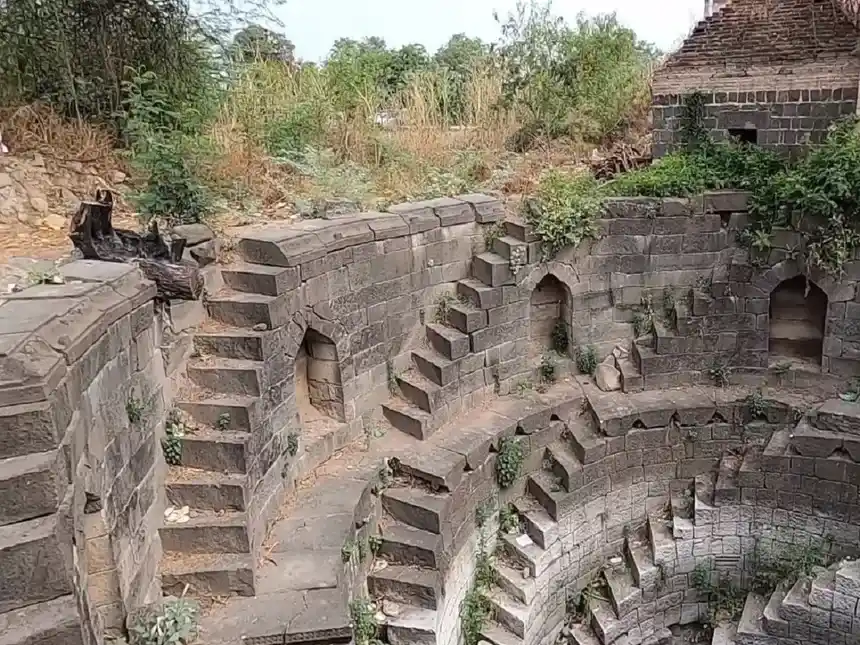
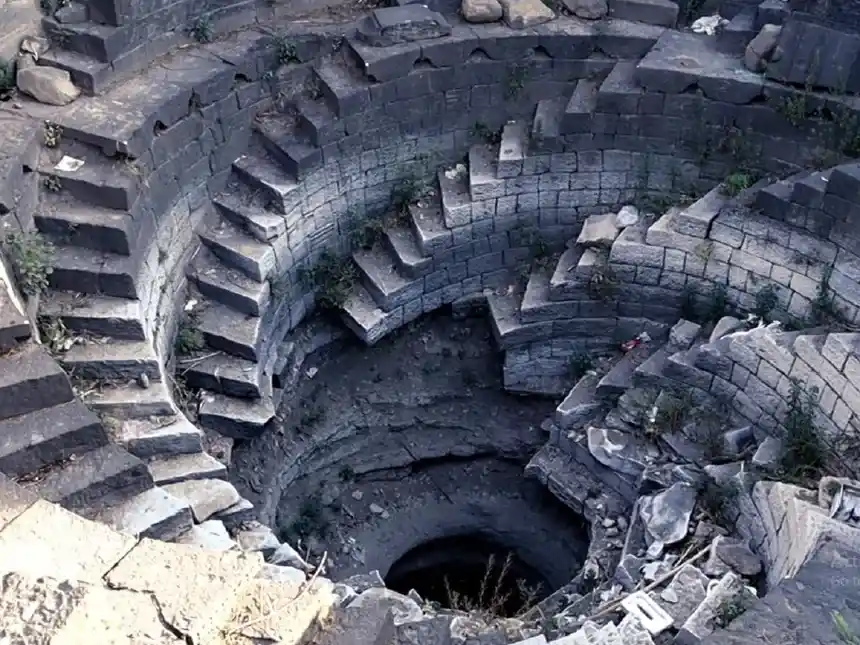
Unlike conventional stepwells that follow linear or square layouts, the Walur stepwell features a rare helical design. Eight entrances spiral downward, guiding visitors in a graceful descent toward the central well shaft. This unique structure not only ensured easy access to water but also created a symbolic journey inward—into the heart of the earth.
The Sacred Devakoshta Niches
Above the entrances, eight beautifully carved Devakoshta (niches) stand as silent witnesses to the stepwell’s sacred and cultural significance. These niches likely once housed deities, merging the utilitarian function of the stepwell with spiritual reverence. In Indian tradition, water bodies were considered sacred, and stepwells often served as spaces for worship, ritual, and community gatherings.
Blending Aesthetics with Utility
The design reflects an extraordinary balance between functionality and ornamentation. The spiral ensured efficient water management, while the carved embellishments transformed the stepwell into a living temple of stone and water.
Historical Roots of the Walur Stepwell
A Monument of Antiquity
Though precise dating remains debated, scholars estimate the Walur stepwell to be between 1,000 and 1,500 years old. This situates its construction during a period of flourishing temple architecture in the Deccan, when rulers patronized both grand temples and practical structures like stepwells.
Stepwells in Indian Culture
Stepwells, or baolis, vavs, and kunds, were a defining feature of Indian civilization. They served multiple purposes:
-
Water conservation in arid climates.
-
Cooling sanctuaries against harsh summers.
-
Community centers for social and spiritual life.
The Walur stepwell stands out among them due to its rare helical design, one of only a handful known across India.
Rediscovery and Restoration: A Community’s Triumph
Neglect and Obscurity
For decades, the Walur stepwell lay buried under debris and neglect. Its grandeur faded into obscurity, remembered only faintly in local lore.
The Cleanliness Drive
In recent years, the residents of Walur united in a cleanliness campaign to revive this forgotten monument. With collective effort, they cleared debris and restored visibility to the stepwell’s spiraling beauty.
Revival of Heritage
This grassroots initiative did more than restore a structure—it rekindled community pride. The Walur stepwell now stands as a symbol of resilience, proving that heritage preservation can thrive when people take collective responsibility.
Symbolism and Spiritual Significance
Descent as Transformation
The spiraling descent mirrors the symbolic journey of life: moving inward toward water, the source of existence, reflects introspection and renewal. Emerging from the well represents rebirth and continuity.
The Number Eight
The eight entrances and eight niches hold symbolic resonance. In many Indian traditions, the number eight represents cosmic balance and auspiciousness, aligning the stepwell with universal harmony.
A Temple of Water
By housing deities in Devakoshta niches, the stepwell blurred the line between temple and utility, emphasizing the sacredness of water as divine life force.
Architectural Significance in India’s Stepwell Tradition
A Rare Helical Form
While stepwells are common across Gujarat, Rajasthan, and Madhya Pradesh, helical stepwells are extremely rare. The Walur example is among the finest, showcasing how local builders experimented with geometry and form.
Comparison with Other Stepwells
-
Rani ki Vav, Patan (Gujarat): A UNESCO World Heritage site, famous for its intricate sculptures.
-
Adalaj Stepwell (Gujarat): Noted for its fusion of Hindu and Islamic architecture.
-
Helical Stepwell, Champaner (Gujarat): The closest structural parallel to Walur.
The Walur stepwell stands alongside these giants, underscoring Maharashtra’s role in India’s architectural legacy of water structures.
Tourism Potential of the Walur Stepwell
An Untapped Heritage Gem
Despite its grandeur, the Walur stepwell remains relatively unknown to travelers. With its recent revival, it holds immense potential to attract heritage enthusiasts, architects, historians, and spiritual seekers.
Enhancing Cultural Tourism
By integrating the stepwell into Maharashtra’s tourism circuits, alongside sites like Ajanta and Ellora Caves or Daulatabad Fort, the region can highlight its diverse heritage. The stepwell could also inspire eco-tourism and heritage conservation campaigns.
Community Empowerment
Tourism around the stepwell could bring economic opportunities to Walur’s residents, turning heritage preservation into a sustainable livelihood model.
Lessons from the Walur Stepwell
Water Wisdom of the Ancients
The stepwell reminds us of the sophisticated water management practices developed long before modern engineering. In today’s era of climate challenges, such structures underscore the importance of sustainable solutions.
Cultural Continuity
The revival of Walur’s stepwell is not just about architecture—it is about reviving a connection to the past. It links modern villagers with the ingenuity, spirituality, and artistry of their ancestors.
Heritage as Collective Responsibility
The restoration highlights how community-driven initiatives can succeed where large-scale projects often falter. Walur sets an example for villages across India to cherish and protect their cultural landmarks.
Visiting the Helical Stepwell of Walur
Location
-
Village: Walur
-
Taluka: Selu
-
District: Parbhani, Maharashtra
Travel Tips
-
Best visited during cooler months (October–February).
-
Pair with a broader exploration of Marathwada’s historical sites.
-
Respect the monument—avoid littering and support local preservation efforts.
Conclusion: Spiraling into the Past, Inspiring the Future
The Helical Stepwell of Walur is more than an ancient structure—it is a monument of resilience, ingenuity, and sacred artistry. Its spiraling pathways symbolize life’s cycles, its carved niches embody spiritual devotion, and its recent revival reflects the power of community.
Standing at the crossroads of history and heritage, the stepwell reminds us that India’s architectural brilliance is not confined to grand temples or palaces—it lives in the ingenious water structures that sustained and inspired generations.
As the people of Walur breathe new life into this treasure, the stepwell spirals not just into the depths of the earth, but into the heart of collective memory, ensuring its story endures for centuries to come.
ALSO READ: The Rök Stone: Decoding a Viking Age Message from the Past