Jabal al-Arkubah: Yemen’s Dormant Volcanic Wonder
Volcanic Landmark in Yemen
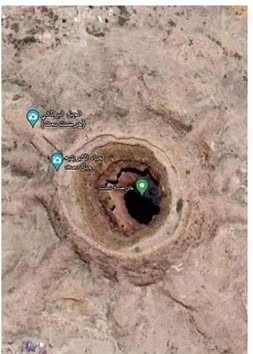
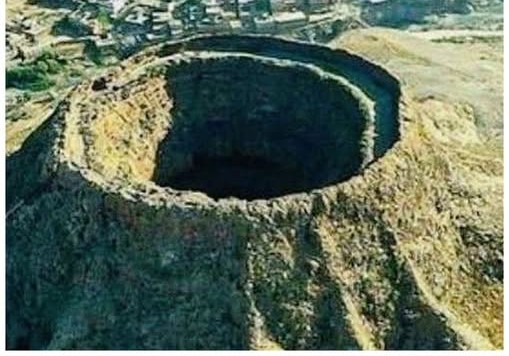
In the rugged landscapes of al-Houta, Yemen, rises Jabal al-Arkubah, a dormant volcanic cone that stands as a striking reminder of Earth’s fiery past. Estimated to have formed millions of years ago, the mountain is crowned by a massive, nearly circular crater that showcases the force of ancient eruptions. Today, its steep walls and colossal form dominate the surrounding villages, making it both a natural wonder and a cultural landmark for the people of Yemen.
The Geological Formation of Jabal al-Arkubah
Volcanic Origins
Jabal al-Arkubah emerged from violent volcanic activity that reshaped the land in prehistoric times. When molten magma erupted from the Earth’s crust, it accumulated layer upon layer, forming a steep-sided volcanic cone. Over successive eruptions, the central crater expanded, leaving behind the impressive geological structure visible today.
A Perfectly Carved Crater
What makes Jabal al-Arkubah extraordinary is its almost perfectly circular crater. This vast depression, created by explosive eruptions, resembles a colossal cauldron carved into the Earth. Its geometric precision makes it one of the most remarkable natural features in the region.
Erosion and Timeless Transformation
Over millions of years, wind and rain have softened its edges. Yet, despite centuries of erosion, the mountain still maintains its dramatic shape, a timeless monument etched by both fire and weather.
Physical Characteristics: The Silent Giant
-
Height: Rising prominently above al-Houta, the mountain dominates the surrounding terrain.
-
Crater Dimensions: Its wide mouth and steep walls create a natural amphitheater-like formation.
-
Surroundings: Villages and agricultural lands lie at its base, with the volcano serving as a constant backdrop to everyday life.
Standing at the rim, visitors experience a paradox—the silence of a dormant crater that once thundered with molten rage.
Jabal al-Arkubah in Local Culture
A Landmark for Villages
For nearby communities, Jabal al-Arkubah is more than a geological feature; it is a landmark of identity. Its imposing silhouette serves as a point of orientation and a symbol of endurance.
Folklore and Symbolism
Locals often describe the mountain as a giant cauldron of fire that once unleashed destruction but now watches over the villages with quiet strength. It symbolizes the duality of nature—chaos and calm, destruction and renewal.
Geological Significance in Yemen
A Window Into the Earth’s Past
Studying Jabal al-Arkubah provides scientists with insight into Yemen’s geological history. Its structure preserves evidence of:
-
Ancient eruptions that shaped the highlands.
-
Volcanic materials like basalt and lava flows that reveal past geochemical processes.
-
Tectonic activity in the Arabian Peninsula, where shifting plates gave rise to volcanic formations.
Comparisons With Other Yemeni Volcanoes
Yemen is home to several volcanic landmarks, such as Jabal al-Tair in the Red Sea and the volcanic fields near Dhamar. Jabal al-Arkubah, however, stands out due to its massive, perfectly rounded crater and its accessibility from al-Houta.
Symbol of Nature’s Cycles
From Destruction to Stillness
Jabal al-Arkubah embodies the cycle of eruption, destruction, and renewal. What was once a roaring furnace of molten lava is now a silent monument of stone. This transformation illustrates how landscapes evolve, with chaos giving way to stability.
Permanence Etched in Stone
The crater stands as a natural archive, preserving the memory of fiery eruptions long past. Its presence reminds us that while human civilizations rise and fall, geological monuments endure across millennia.
Visitor Experience: What It Feels Like to Stand at the Crater
Climbing Jabal al-Arkubah offers a unique experience:
-
Panoramic Views: From the rim, one can see sweeping vistas of the Yemeni highlands and the scattered villages below.
-
Atmosphere of Awe: The sheer size of the crater instills a sense of insignificance and wonder.
-
Silence and Solitude: The stillness of the dormant cone contrasts sharply with its turbulent past, creating a reflective atmosphere.
Potential for Tourism and Education
Geotourism Opportunity
Though not widely known internationally, Jabal al-Arkubah could become a geotourism destination. Its combination of geological significance, natural beauty, and cultural heritage makes it an ideal site for eco-travelers and researchers.
Educational Value
Schools and universities in Yemen could use the site as a natural classroom, teaching about volcanology, geology, and environmental science directly at the crater’s edge.
Challenges to Preservation
Natural Erosion
Wind and rain continue to reshape the volcano’s features, slowly wearing down its sharp edges.
Human Impact
Expansion of nearby villages and potential unregulated tourism could affect the site’s natural integrity.
Need for Recognition
Unlike famous volcanic landmarks around the world, Jabal al-Arkubah remains largely undocumented and underprotected. Recognition as a geological heritage site could help safeguard its future.
Global Context: Volcanoes as Natural Monuments
Volcanic landmarks across the world—from Mount Vesuvius in Italy to Crater Lake in the USA—are celebrated as symbols of Earth’s power and beauty. Jabal al-Arkubah deserves a similar place in global consciousness, not only as a dormant cone but as a cultural and natural treasure of Yemen.
Conclusion: Jabal al-Arkubah—A Monument of Fire and Time
Rising starkly from the Yemeni landscape, Jabal al-Arkubah is more than just a dormant volcano. It is a testament to the raw forces that shaped our planet and a symbol of endurance for the communities that live in its shadow. Its perfectly carved crater, steep walls, and monumental presence embody the paradox of destruction and stillness.
For Yemen and for the world, Jabal al-Arkubah serves as both a scientific puzzle and a cultural icon, reminding us of Earth’s untamed power and the timeless cycles of nature.
ALSO READ: The Sumerian Star Map: The Oldest Record of the Heavens