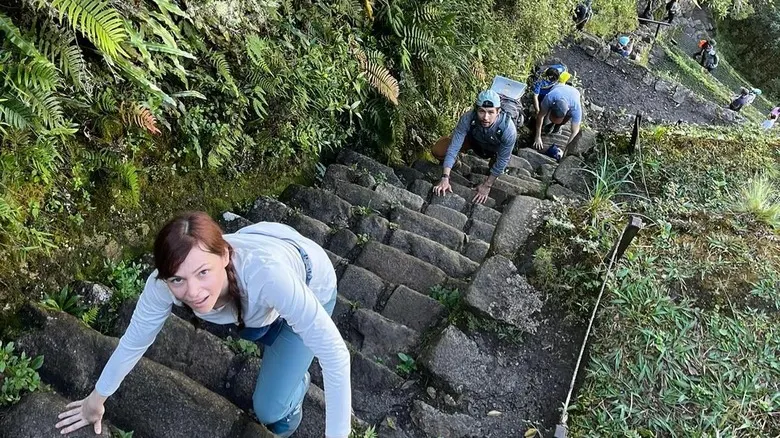
Stairs of Death at Machu Picchu: Ancient Engineering Meets Adrenaline
High in the Peruvian Andes, the lost Inca citadel of Machu Picchu captivates visitors with its breathtaking terraces, temples, and panoramic mountain views. Among its most daring and unforgettable features are the legendary Stairs of Death—steep, narrow stone steps that cling to the cliffsides, challenging both body and spirit.
For the Incas, these steps were not just pathways but lifelines, connecting sacred and strategic parts of the citadel. For modern adventurers, they offer a heart-pounding glimpse into Inca ingenuity, where history and adrenaline collide.
What Are the Stairs of Death?
The Stairs of Death refer to a series of stone stairways carved directly into the rugged terrain of Machu Picchu and its surrounding peaks. They are especially notorious on the trails of Huayna Picchu and Huchuy Picchu, the steep mountains that rise above the citadel.
These steps are:
-
Narrow – often only wide enough for a single person.
-
Steep – with sharp inclines that feel more like ladders than stairs.
-
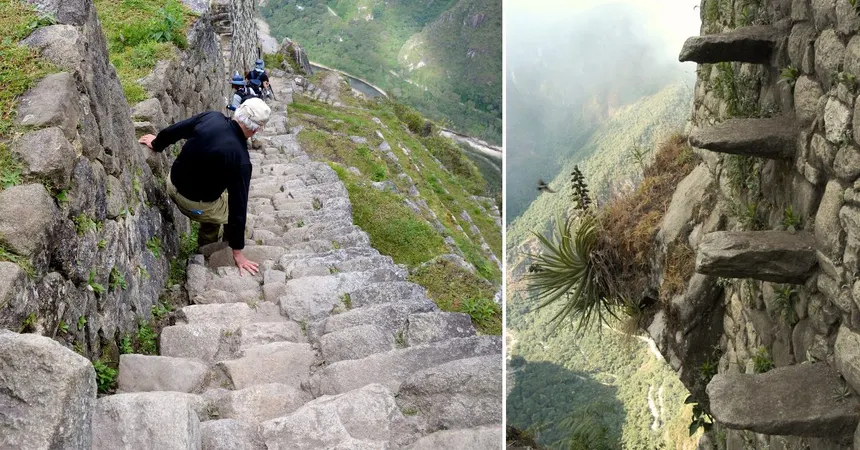
Exposed – clinging to cliff edges with sheer drops just inches away.
-
Ancient – carved centuries ago by Inca masons with remarkable precision.
Inca Engineering and Design
The Incas were master builders who adapted their architecture to some of the most challenging landscapes in the world. The Stairs of Death showcase their genius in both practicality and design.
-
Seamless construction – Steps were carved into living rock or built with perfectly fitted stones, blending into the natural cliffs.
-
Drainage and durability – The stairs were designed to withstand rain, erosion, and centuries of use.
-
Integration with terrain – Instead of reshaping the mountains, the Incas built with the landscape, making the stairs an extension of the cliffs themselves.
These stairways connected important areas of the citadel, including agricultural terraces, temples, and lookout points, proving that functionality and artistry were inseparable in Inca architecture.
The Huayna Picchu Challenge
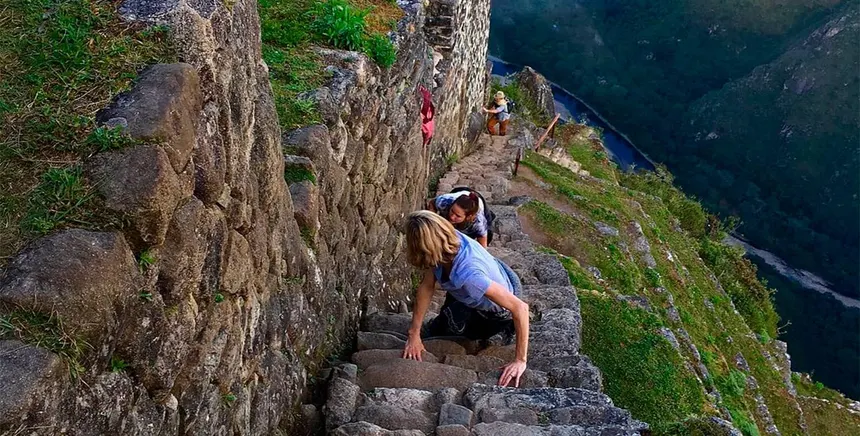
The most famous and feared section of the Stairs of Death is found on the ascent to Huayna Picchu, the towering peak that forms the backdrop to the iconic view of Machu Picchu.
-
Length: Around 1,000 steep steps carved into the mountain.
-
Height: The climb ascends nearly 1,000 feet (300 meters) above the citadel.
-
Difficulty: Narrow paths, vertical staircases, and sheer drops make this a test of endurance and courage.
For those who make the climb, the reward is spectacular: panoramic views of Machu Picchu, the Urubamba River snaking below, and the surrounding Andean peaks wrapped in mist.
Why the Name “Stairs of Death”?
The name is more dramatic than literal. While the climb is challenging and vertigo-inducing, thousands of visitors complete it safely every year. The term “Stairs of Death” reflects the:
-
Perilous appearance – Steps hugging cliffs with no handrails.
-
Sheer drops – One misstep could lead to a dangerous fall.
-
Heart-racing experience – The adrenaline rush feels like defying death itself.
For the Incas, however, these stairs were practical routes, not daredevil attractions. Their design ensured efficient movement in a terrain where ordinary paths were impossible.
Safety for Modern Visitors
Despite their intimidating name, the Stairs of Death are carefully managed today to ensure visitor safety.
-
Controlled access: Only a limited number of permits are issued daily for Huayna Picchu climbs.
-
One-way routes: To avoid congestion, climbers follow designated pathways.
-
Maintenance: Park staff regularly monitor and maintain the stairs.
-
Visitor responsibility: Proper footwear, physical fitness, and caution are essential.
While the climb isn’t for everyone, those who attempt it with preparation find it an unforgettable part of their Machu Picchu experience.
The Spiritual Dimension
For the Incas, stairways were more than practical—they carried symbolic and spiritual meaning. Ascending toward the sky mirrored a journey closer to the gods. The Stairs of Death, leading to high vantage points like Huayna Picchu, may have had ritual significance, offering spaces for ceremonies, astronomy, and communication with the divine.
Walking these steps today connects visitors not just with the landscape but also with the sacred worldview of the Inca civilization.
The Blend of Awe and Adrenaline
Climbing the Stairs of Death is a unique experience that combines:
-
Awe – of the incredible stonework and dramatic Andean scenery.
-
Adrenaline – the physical thrill of navigating steep, narrow passages.
-
Connection – a sense of walking in the footsteps of the Incas.
The result is a journey that transcends sightseeing, becoming a personal challenge and a spiritual adventure all at once.
Tips for Visitors
If you plan to face the Stairs of Death at Machu Picchu, consider these practical tips:
-
Book early – Permits for Huayna Picchu sell out months in advance.
-
Wear sturdy shoes – Good grip is essential on the steep, uneven steps.
-
Travel light – Carry only water and essentials to keep balance.
-
Pace yourself – The altitude and incline can be exhausting.
-
Respect the site – Move carefully, avoid rushing, and honor the cultural significance of the stairs.
Why the Stairs of Death Matter
The Stairs of Death are more than a thrilling hike. They embody:
-
The genius of Inca engineering, blending architecture seamlessly with nature.
-
The spiritual traditions of a civilization that saw mountains as sacred.
-
The endurance of ancient craftsmanship, surviving centuries of weather and time.
They remind us that Machu Picchu is not just a world wonder—it is a living testament to human creativity, resilience, and the harmony between culture and landscape.
Conclusion
The Stairs of Death at Machu Picchu stand as one of the most daring and unforgettable features of the Inca citadel. Carved centuries ago into the cliffs of Huayna Picchu, they embody both the practical genius and spiritual depth of Inca engineering.
For modern travelers, climbing them is an adventure through time and terrain—equal parts awe, adrenaline, and connection to a civilization that mastered the mountains. Far from mere danger, the Stairs of Death are a reminder that history can be felt not just in museums but underfoot, carved into stone pathways high above the clouds.
ALSO READ: Lewisian Gneiss: Scotland’s Ancient Rocks of Deep Time