Masks of the Tribes of the Republic of Zambia: Spirits, Myth, and Cultural Identity
Across Africa, tribal masks stand as some of the most recognizable symbols of cultural identity and spiritual tradition. In the Republic of Zambia, masks represent far more than art; they embody spirits, mythical beings, and historical characters central to community life. They are used in rituals, ceremonies, and storytelling traditions, forming a vital link between the living, the ancestors, and the spiritual world.
The masks of Zambian tribes are among the most distinct and unusual in the region, blending artistic mastery with deep symbolic meaning. Their role extends beyond performance—they function as cultural archives that preserve values, myths, and history.
Historical Background of Mask Traditions in Zambia
The practice of mask-making in Zambia is deeply rooted in Bantu traditions that spread through central and southern Africa thousands of years ago. Masks became central to initiation ceremonies, harvest rituals, funerals, and celebrations, reflecting both the material world and the spiritual cosmos.
Zambia’s diverse tribal groups, including the Chewa, Ngoni, Lozi, Bemba, and Lunda, developed unique mask traditions that embody their distinct worldviews. Over time, these masks evolved from sacred ritual tools to cultural symbols admired globally as African art masterpieces.
Symbolism: Spirits, Myths, and History
Zambian masks are not mere decorations—they are living representations of cultural beliefs.
Spirits
Many masks represent ancestral spirits who guide, protect, and judge the community. They appear in ceremonies to remind the living of moral codes and communal obligations.
Mythical Characters
Some masks embody supernatural beings or mythological figures, often associated with creation myths, fertility, or cosmic balance. These masks carry both didactic and protective roles within society.
Historical Figures
Certain masks immortalize legendary leaders or heroes who shaped the community’s past. By wearing these masks, performers re-enact stories that connect present generations with their history.
The Role of Masks in Rituals and Ceremonies
Zambian tribes integrate masks into nearly every aspect of ritual and communal life.
-
Initiation Ceremonies
-
Among the Chewa people, masks feature prominently in the Nyau secret society initiation rites.
-
Boys transitioning into manhood encounter masked figures representing spirits, morality, and life lessons.
-
-
Harvest and Fertility Rituals
-
Masks are used to invoke fertility, rain, and agricultural prosperity.
-
Performers in mask dances act as mediators between humans and nature.
-
-
Funerary Rites
-
Masks often appear at funerals to represent the spirit of the deceased, ensuring safe passage to the afterlife.
-
They also comfort the living by reinforcing continuity between worlds.
-
-
Celebrations and Storytelling
-
Masks are central in festive performances, dramatizing folktales and historical events.
-
Their performances blend song, dance, and oral tradition.
-
Artistic Styles of Zambian Masks
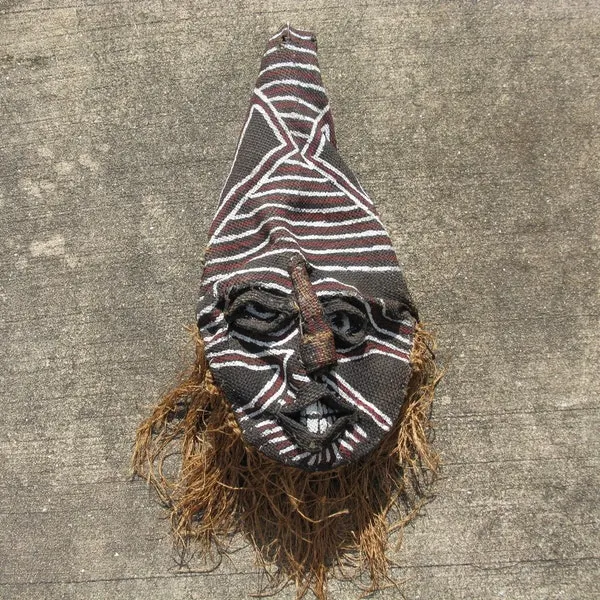
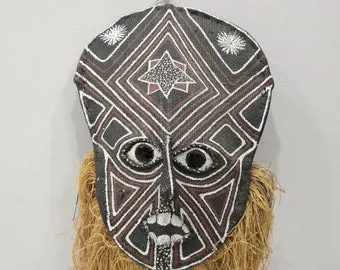
Zambian masks are among the most distinctive in Africa, often marked by exaggerated features, bold colors, and unusual forms.
-
Abstract Designs – Many masks emphasize geometric shapes rather than realistic features.
-
Exaggerated Expressions – Large eyes, open mouths, and elongated forms create dramatic effects.
-
Symbolic Colors –
-
White often represents spirits and purity.
-
Red may symbolize danger, vitality, or blood.
-
Black conveys ancestral power and authority.
-
-
Materials – Crafted from wood, pigments, fibers, and sometimes animal elements, they reflect both artistry and spiritual symbolism.
Each mask’s style is carefully tailored to its role in ritual, ensuring that it communicates power and meaning during performances.
The Chewa Nyau Masks: A Case Study
Among Zambia’s most renowned mask traditions are the Nyau masks of the Chewa people.
-
The Nyau society, a secretive cultural institution, uses masks in initiation and funerary ceremonies.
-
Each mask represents a specific character: spirits of ancestors, wild animals, or mythical beings.
-
Performers wearing Nyau masks engage in dramatic dances, often intimidating and instructive.
-
These masks serve as moral educators, reminding people of communal values, taboos, and spiritual beliefs.
The Nyau masks exemplify how Zambian masks function as cultural theatres of education, ritual, and entertainment.
Masks as a Reflection of Social Hierarchy
In many Zambian tribes, not everyone could wear or even approach the masks.
-
Ritual Specialists – Only initiated men, often from secret societies, could perform with masks.
-
Community Roles – Different masks represented different roles: judges, protectors, tricksters, or ancestors.
-
Exclusivity – Women and uninitiated youth were often excluded from the mask societies, reinforcing social order and hierarchy.
This exclusivity imbued masks with mystery and power, making them both feared and revered.
Transformation Through Dance and Performance
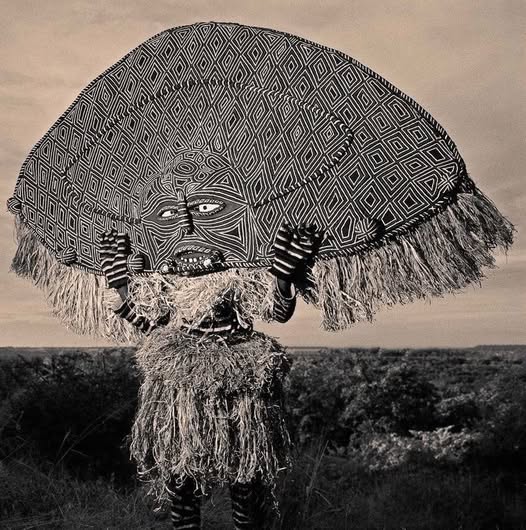
Masks in Zambia are not static artifacts. Their full meaning emerges in performance.
-
When worn, masks transform the dancer into the spirit or character they represent.
-
The combination of movement, music, and costume creates a powerful spectacle.
-
Audiences perceive the performance as a spiritual encounter, not just entertainment.
This transformation underscores the Zambian belief that masks are living presences, not mere objects.
Modern Significance of Zambian Masks
Today, Zambian masks continue to play important roles, both locally and globally.
-
Cultural Heritage – They are celebrated in Zambia as symbols of identity and tradition.
-
Tourism and Museums – Zambian masks attract global attention, displayed in museums worldwide as treasures of African art.
-
Contemporary Influence – Modern Zambian artists and performers draw inspiration from traditional masks, adapting their symbolism for new contexts.
-
UNESCO Recognition – Traditions like the Nyau masquerades are recognized as intangible cultural heritage, preserving them for future generations.
Why Zambian Masks Matter
The masks of Zambia matter because they connect the past, present, and future.
-
Spiritual Significance – They embody spirits and maintain contact between the living and the dead.
-
Cultural Identity – They preserve myths, values, and historical memory.
-
Artistic Innovation – Their unique forms contribute to the global appreciation of African art.
-
Social Cohesion – Through rituals and performances, masks reinforce community bonds and social order.
In this way, Zambian masks serve as cultural bridges, linking myth with reality and history with modern life.
Conclusion
The masks of the tribes of Zambia are more than striking works of art; they are living embodiments of spirits, myths, and historical characters. From the Nyau masquerades of the Chewa to funerary and harvest ceremonies across the country, masks continue to play a central role in shaping identity, spirituality, and memory.
Their unusual forms, symbolic meanings, and transformative performances mark them as some of the most distinctive and significant masks in Africa. Today, whether preserved in museums, celebrated in cultural festivals, or performed in their original contexts, Zambian masks remain powerful symbols of resilience, creativity, and tradition.
ALSO READ: The Jemdet Nasr Tablet: Early Mesopotamian Accounting and Hierarchical Society