The Arjan Bowl: A Glimpse into Elamite Civilization
In the realm of archaeology, chance discoveries often lead to extraordinary revelations. One such moment occurred in 1982 near Behbahan, Iran, when construction machinery unearthed a burial chamber containing a remarkable bronze artifact: the Arjan Bowl. Dating from between 1100 and 700 BCE, during the height of the Elamite civilization, this exquisite piece embodies the artistic, spiritual, and political life of an ancient culture that flourished in what is now southwestern Iran.
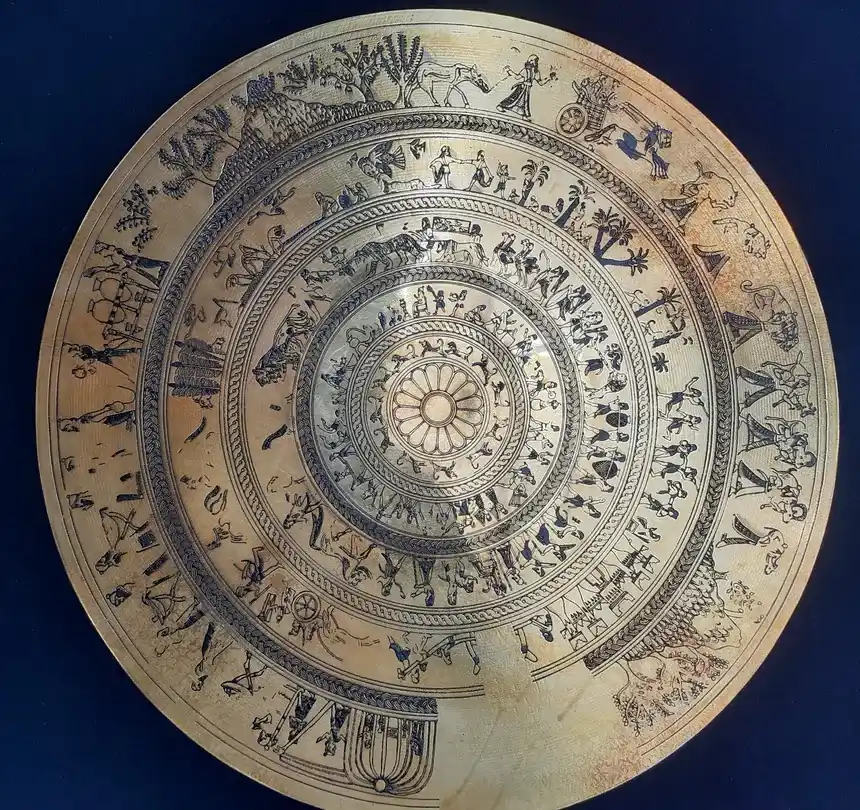
With its central rosette and concentric bands, the bowl is far more than a decorative item. It is a cosmic map, an emblem of royal power, and a reminder of the close bond between kings, deities, and the natural world in Elamite belief. The Arjan Bowl bears the name of Kidin-Hutran, a renowned Elamite monarch, anchoring it firmly in the historical struggles between Elam and Babylonia.
Discovery of the Arjan Bowl
The bowl was discovered during construction near Behbahan, in a burial chamber now known as the Arjan Tomb. The tomb contained not only the bowl but also other funerary objects, including weapons, jewelry, and symbolic items meant to accompany the deceased into the afterlife.
The Arjan Bowl immediately stood out due to its remarkable craftsmanship and the wealth of symbolic detail etched into its surface. Its survival for over 2,800 years allows modern scholars to glimpse the values and cosmology of the Elamites.
The Elamite Civilization
To understand the importance of the Arjan Bowl, one must first consider the Elamite civilization.
Location and Timeline
-
Elam occupied the southwestern region of modern-day Iran, with its capital at Susa.
-
The civilization thrived from around 2700 BCE until its absorption by the Achaemenid Persians in the 6th century BCE.
Cultural Significance
-
Elamites were skilled metalworkers, architects, and artisans.
-
Their culture emphasized a strong relationship with the divine, often expressed through symbolic art.
-
They frequently came into conflict with Mesopotamian powers, particularly Babylonia and Assyria.
The Arjan Bowl represents a high point of Elamite craftsmanship and royal symbolism.
Design and Symbolism of the Bowl
The Arjan Bowl captivates scholars not just for its beauty but for the messages encoded in its design.
Key Features
-
Central Rosette – At the center of the bowl is a rosette, a motif symbolizing life, fertility, and cosmic order.
-
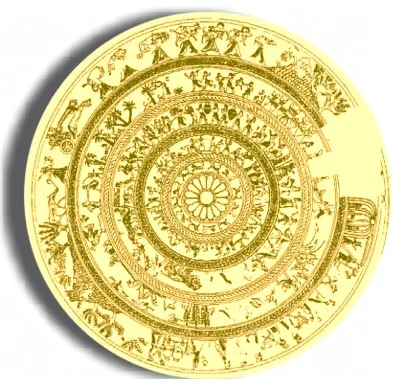
Five Concentric Bands – Surrounding the rosette are five rings, each bearing geometric or symbolic designs. These may represent cycles of existence, divine order, or cosmic harmony.
-
Bronze Craftsmanship – The bowl’s material reflects Elamite expertise in metalworking, combining durability with intricate artistry.
Symbolic Interpretations
-
Divine Connection: The rosette links the bowl to solar and fertility symbolism.
-
Cosmic Cycles: The concentric circles may signify the eternal cycle of life, death, and rebirth.
-
Royal Power: Bearing the name of Kidin-Hutran, the bowl emphasizes the king’s authority as divinely sanctioned.
The Arjan Bowl is thus both a ritual object and a political statement.
Kidin-Hutran: The Warrior King
The bowl bears the name of Kidin-Hutran, an Elamite ruler celebrated for his military campaigns against Babylonia.
Military Achievements
-
Crossed the Tigris River to attack Mesopotamian territories.
-
Conquered cities such as Der and Nippur.
-
Defeated a Babylonian king, marking a major victory against one of the region’s superpowers.
-
Extended campaigns into Marad and Isin, showcasing Elam’s resilience and ambition.
By inscribing Kidin-Hutran’s name, the Arjan Bowl not only served as a funerary treasure but also as a commemorative record of conquest and authority.
Funerary Role and Afterlife Beliefs
The Arjan Bowl was discovered in a burial site, reinforcing its role in funerary practice.
Elamite Burial Traditions
-
Elite individuals were buried with objects intended for use in the afterlife.
-
Items symbolized status, protection, and spiritual continuity.
-
Bronze vessels like the Arjan Bowl carried ritual significance, linking the deceased to divine forces.
For the Elamites, death was not an end but a transition, and objects like the bowl helped maintain balance between this world and the next.
The Arjan Tomb: A Treasure Trove
The discovery of the Arjan Tomb was one of the most significant archaeological finds in Iran in the late 20th century.
Key Contents of the Tomb
-
The Arjan Bowl: centerpiece artifact.
-
Weapons: indicating warrior identity or symbolic protection.
-
Jewelry: markers of wealth and elite status.
-
Funerary goods: reflecting belief in the afterlife.
Together, these items demonstrate the wealth and cultural sophistication of the Elamite elite.
The Arjan Bowl and Elamite Art
The Arjan Bowl is often considered a masterpiece of Elamite art.
Artistic Qualities
-
Balance of geometry and symbolism.
-
Precision in bronze work, reflecting advanced techniques.
-
Aesthetic harmony that conveys cosmic order.
Influence and Legacy
-
The bowl shows connections to Mesopotamian motifs, while maintaining distinct Elamite identity.
-
It illustrates how art served as both a spiritual medium and political propaganda.
Serendipity of Discovery
The Arjan Bowl’s unearthing feels like history’s way of ensuring the Elamite legacy is not forgotten.
-
Its discovery was accidental, caused by modern construction.
-
Yet it became a key to understanding Elamite beliefs, politics, and art.
-
It underscores how archaeology often relies on moments of chance to bridge past and present.
The Arjan Bowl Today
Arjan Bowl is currently displayed at the Museum of Ancient Iran, part of the National Museum of Iran in Tehran.
Importance of Display
-
Allows visitors to connect with Elamite heritage.
-
Highlights the continuity of Iranian civilization across millennia.
-
Preserves the artifact for future generations of scholars and the public.
Why the Arjan Bowl Matters
The Arjan Bowl matters because it encapsulates the intersection of history, art, and spirituality in one object.
-
Historical Record – It preserves the name and victories of Kidin-Hutran.
-
Artistic Achievement – It represents the mastery of Elamite bronze craftsmanship.
-
Spiritual Symbol – It encodes beliefs in cosmic order, divine favor, and the afterlife.
-
Cultural Legacy – It reminds us of the Elamites’ role in shaping the ancient Near East.
Conclusion
The Arjan Bowl is more than an ancient bronze vessel—it is a window into the Elamite world. Discovered by chance in 1982, it has become a touchstone for understanding Elamite culture, kingship, and spirituality.
From its central rosette to its five concentric bands, the bowl tells a story of a people who valued cosmic balance, divine connection, and earthly power. Inscribed with the name of Kidin-Hutran, it stands as a record of conquest and resilience against Babylonian might.
Today, housed in the Museum of Ancient Iran, the Arjan Bowl continues to inspire awe as a masterpiece of prehistoric art and cultural identity. It reminds us that even in bronze, the voices of ancient kings and civilizations can still speak across millennia.
ALSO READ: 12th-Century Dark Eyeglasses in China: The Origins of Sunglasses