Toghrol Tower in Rey: A Timeless Masterpiece of Seljuk Architecture
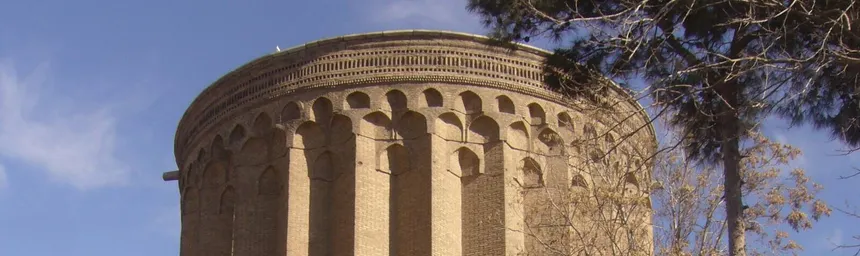
In the ancient city of Rey, near modern-day Tehran, stands the Toghrol Tower, a striking example of early Seljuk architecture. Built in 1063, this brick monument rises 20 meters high and has fascinated historians, architects, and travelers for centuries. Made of brick and Sarooj—a traditional water-resistant mortar—the tower reflects the ingenuity and artistry of the Seljuk period.
While its exact function is still debated, the Toghrol Tower has been linked to both practical and symbolic purposes. Some sources claim it served as the tomb of Tuğrul Beg, the founder of the Seljuk dynasty, while others suggest it acted as a lighthouse or timekeeping structure for Silk Road travelers. Regardless of its origins, the Toghrol Tower remains one of Iran’s most iconic architectural treasures.
Historical Background
The Seljuk dynasty was a powerful medieval empire that ruled much of the Middle East and Central Asia between the 11th and 14th centuries. Known for their military strength and patronage of the arts, the Seljuks left behind enduring contributions in architecture, science, and culture.
The Toghrol Tower is believed to have been built during the reign of Tuğrul Beg, the dynasty’s founder. Although scholars debate whether it was his mausoleum, its date of construction aligns with the early Seljuk period, when monumental architecture was used to project power and prestige.
Architectural Design of the Toghrol Tower
The Toghrol Tower exemplifies Seljuk architectural mastery. Rising 20 meters (65 feet), the structure is built entirely of bricks, reinforced with Sarooj mortar, known for its durability and resistance to water.
Exterior Structure
-
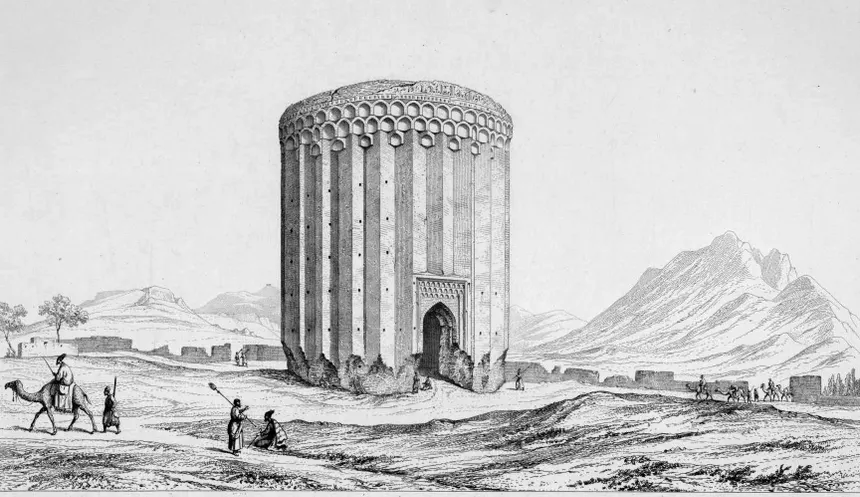
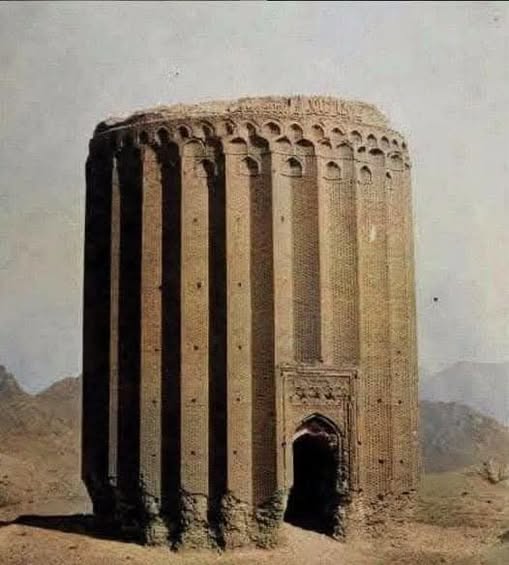
The tower is cylindrical in form, with a 12-sided polygonal base that enhances its visual and structural strength.
-
Each side creates deep grooves and shadows, producing an interplay of light and geometry throughout the day.
-
Its simplicity, combined with its height and form, gives it a commanding presence visible from afar.
Interior Space
Inside, the tower is hollow and undecorated, with a domed roof that may once have amplified acoustics or served symbolic purposes. Scholars believe the interior design reflects the Seljuks’ focus on both functionality and spiritual symbolism.
A Building to Tell the Time
One of the most fascinating theories about the Toghrol Tower is its potential role as a timekeeping structure.
-
The tower’s polygonal design allows sunlight to strike different facets of the exterior at specific angles, functioning much like a sundial.
-
By observing how shadows shifted across its walls, travelers and locals may have been able to estimate the time of day.
-
This feature highlights the scientific knowledge and astronomical awareness of the Seljuk architects.
Tomb of Tuğrul Beg: Fact or Legend?
A widely held belief is that the Toghrol Tower was constructed as the mausoleum of Tuğrul Beg. As the founder of the Seljuk dynasty, Tuğrul Beg played a crucial role in shaping medieval Iran, making it plausible that such a monumental structure would commemorate him.
However, there is no conclusive archaeological evidence—such as a sarcophagus or burial remains—linking the tower directly to Tuğrul Beg. This uncertainty adds to the site’s mystique, leaving scholars to speculate on its original function.
A Lighthouse on the Silk Road
Another intriguing interpretation is that the Toghrol Tower served as a lighthouse or guidepost for travelers on the Silk Road, especially during foggy nights or storms. The tower’s great height and visibility would have made it an excellent marker for caravans navigating the vast landscapes of Persia.
If this theory is correct, the Toghrol Tower demonstrates not only architectural sophistication but also the Seljuks’ commitment to facilitating trade and travel across their empire.
Renovations and Preservation
Over the centuries, the Toghrol Tower has endured natural disasters, weathering, and neglect. Fortunately, several renovation efforts have helped preserve it:
-
1922: The first major restoration took place under the rule of Reza Shah Pahlavi, focusing on structural stability.
-
2000: A modern restoration project reinforced the tower, ensuring its survival for future generations.
Today, the Toghrol Tower stands as a protected historical site, attracting scholars and tourists who admire its austere beauty and historical significance.
Symbolism in Seljuk Architecture
The Toghrol Tower reflects key themes of Seljuk architecture:
-
Geometry and Order: The polygonal base illustrates the Seljuks’ fascination with mathematics and symmetry.
-
Simplicity and Grandeur: Unlike later Persian architecture, the tower lacks elaborate decoration, emphasizing form over ornamentation.
-
Spiritual Dimension: Whether as a tomb, sundial, or beacon, the tower embodies the connection between earthly life, science, and the divine.
Visiting the Toghrol Tower Today
Located in the ancient city of Rey, just south of Tehran, the Toghrol Tower is easily accessible for modern travelers.
Travel Tips
-
Location: Rey is part of Tehran Province and can be reached by car or metro.
-
Best Time to Visit: Spring and autumn provide pleasant weather for exploring the site.
-
Nearby Attractions: Combine your visit with other historical sites in Rey, including the Shah Abdol-Azim Shrine and the ancient Rey Castle.
The Legacy of the Toghrol Tower
The Toghrol Tower remains one of the most iconic Seljuk monuments in Iran. Whether seen as a mausoleum, lighthouse, or astronomical tool. It embodies the creativity, ambition, and resilience of a civilization that shaped much of the medieval Middle East.
Its imposing silhouette against the skyline of Rey is a reminder of the Seljuks’ architectural brilliance and their role in bridging the worlds of science, religion, and commerce.
Conclusion
The Toghrol Tower in Rey, Iran, is a monument that tells many stories. Built in 1063, it may have served as the tomb of Tuğrul Beg, a lighthouse for Silk Road travelers, or even a timekeeping structure. Its architectural design, built with bricks and Sarooj, reflects the skill and vision of the Seljuk dynasty.
Having survived centuries of change and multiple restorations, the Toghrol Tower continues to inspire awe and curiosity. It stands not only as a historical landmark but also as a symbol of ingenuity. Astructure that united function, symbolism, and beauty nearly a thousand years ago.