The Wanca Pyramid of Caral-Supe: A Testament to Peru’s Oldest Civilization
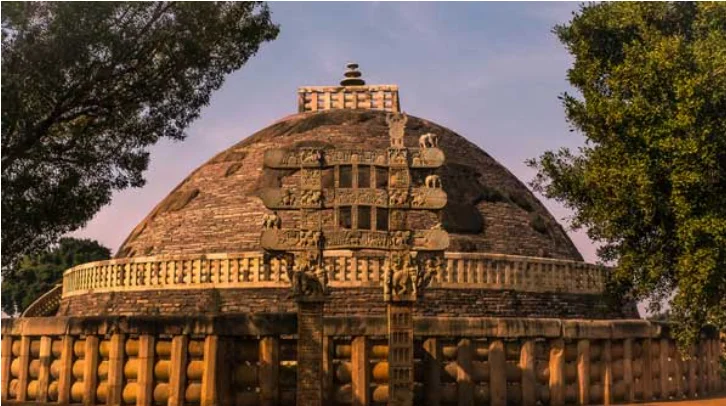
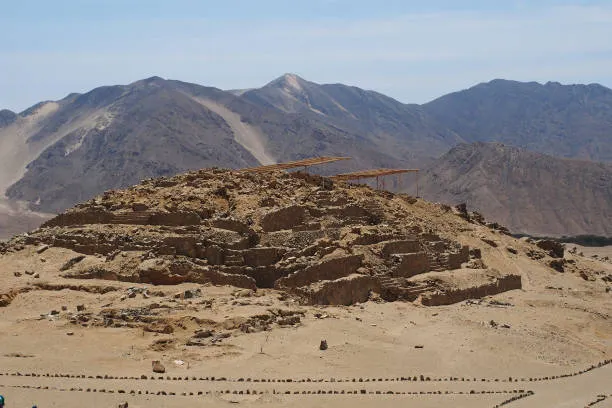
Deep in Peru’s Supe Valley, the Wanca Pyramid rises as a silent witness to the Caral-Supe civilization—a culture that flourished between 2600 and 2000 BCE, making it one of the oldest known civilizations in the Americas. Constructed from adobe bricks in a stepped form, this pyramid is part of the larger Caral archaeological site, which spans more than 150 hectares and includes multiple pyramids, plazas, and residential complexes.
The Wanca Pyramid is not just a structure; it is a monument of innovation, representing the Caral people’s ability to build monumental architecture long before the rise of the Inca. Its ceremonial and administrative functions highlight a society that valued spirituality, governance, and social organization, laying the foundations for future Andean cultures.
The Caral-Supe Civilization: The Cradle of the Americas
The Caral-Supe civilization, also known simply as Caral, is considered the oldest civilization in the Americas. While Mesopotamia, Egypt, and the Indus Valley were building their monumental cities, the Caral people were constructing pyramids, plazas, and irrigation systems in the Supe Valley.
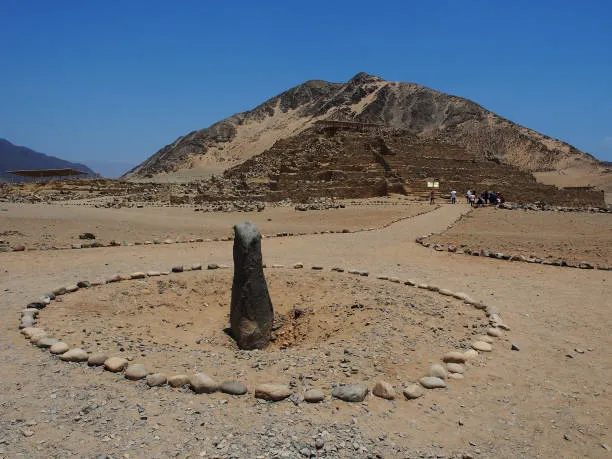
Key facts about Caral-Supe:
-
Flourished between 2600–2000 BCE.
-
Developed urban centers with ceremonial and administrative functions.
-
Practiced agriculture, cultivating cotton, beans, squash, and maize.
-
Maintained trade networks stretching from the Pacific coast to the highlands.
-
Lacked pottery and warfare evidence, suggesting a society centered on peace, trade, and spirituality.
The Wanca Pyramid is one of the most prominent monuments reflecting the sophistication of this early civilization.
The Wanca Pyramid: Architecture and Design
Construction Materials
The pyramid was built primarily from adobe bricks and stone, typical of Caral’s architecture. These materials were abundant in the Supe Valley and allowed for structures that could withstand environmental conditions.
Stepped Design
The stepped form of the Wanca Pyramid mirrors designs later seen in Mesoamerica and Egypt, though developed independently. This structure demonstrates the Caral-Supe people’s engineering foresight and commitment to ceremonial symbolism.
Layout
-
The pyramid is integrated with adjacent plazas and surrounding residential buildings.
-
It served as both a ceremonial center and possibly an administrative hub.
-
Wide staircases led to platforms at the top, where rituals and gatherings likely took place.
This architectural design reflects social hierarchy and spiritual values, with elevated spaces reserved for rituals or leadership figures.
Ceremonial and Administrative Functions
The Wanca Pyramid played a dual role in the Caral society:
Religious Center
-
Ritual Fires: Excavations reveal remains of ritual hearths, indicating ceremonies involving offerings to the gods.
-
Sacred Geometry: The pyramid’s alignment may have had astronomical significance, connecting rituals with seasonal cycles.
-
Spiritual Symbolism: The stepped design represented a link between the earth and the divine.
Administrative Role
-
Community Planning: Evidence suggests the pyramid served as a place where leaders organized agricultural cycles, trade, and communal labor.
-
Collective Gatherings: The pyramid’s plazas and terraces likely hosted public assemblies, reinforcing social unity.
This combination of functions reveals that Caral’s rulers blended spiritual authority with administrative control, ensuring stability and cohesion.
The Significance of Adobe Construction
Unlike stone-built monuments in later Andean cultures, the Wanca Pyramid relies heavily on adobe bricks. Adobe’s importance includes:
-
Availability: Made from mud and straw, it was accessible and sustainable.
-
Durability: Adobe structures have endured for over 4,000 years in the arid climate of the Supe Valley.
-
Symbolism: The use of earth materials tied the structures to fertility and life cycles, central to Caral spirituality.
Despite its simplicity, adobe allowed the Caral-Supe people to build monuments of remarkable scale and endurance.
Caral’s Urban Planning: A Model for the Andes
The Wanca Pyramid is part of a larger urban plan in Caral, reflecting sophisticated city design.
-
Central Pyramids: The Wanca Pyramid stood alongside other monumental structures such as the Pyramid of the Huanca and the Amphitheater Pyramid.
-
Plazas: Circular and rectangular plazas served as gathering spaces, reinforcing social and religious bonds.
-
Residential Zones: Elites lived near pyramids, while commoners resided farther away, showing social stratification.
This layout demonstrates that Caral was not just a ceremonial hub but also a politically organized society with clear social structures.
A Civilization Without War
One of the most remarkable aspects of the Caral-Supe civilization—and by extension, the Wanca Pyramid—is the absence of warfare evidence.
-
No weapons or fortifications have been found at Caral.
-
Archaeologists interpret the monumental pyramids as evidence of a society driven by rituals, trade, and cultural development, rather than conquest.
-
The Wanca Pyramid symbolizes this peaceful orientation, representing collective labor dedicated to spiritual and communal life.
This makes Caral unique among early civilizations and reshapes how we view the origins of urban societies in the Americas.
Trade Networks and Cultural Influence
Caral’s location in the Supe Valley made it a hub for regional exchange. Artifacts from coastal and highland areas have been found within the pyramids, including:
-
Marine shells from the Pacific coast.
-
Feathers and fibers from the highlands.
-
Cotton for fishing nets, critical for trade with coastal communities.
The Wanca Pyramid may have served as a ritual center for trade negotiations, emphasizing the interconnectedness of Caral with other communities.
Modern Archaeology at Caral
The rediscovery and excavation of the Wanca Pyramid provide valuable insights into pre-Columbian history. Archaeologist Ruth Shady Solís has led much of the modern research at Caral since the 1990s, helping to establish its significance as the oldest city in the Americas.
Through excavation:
-
Architectural remains confirm advanced engineering.
-
Carbon dating places Caral’s origins alongside Egypt and Mesopotamia.
-
Conservation efforts protect adobe structures from erosion and modern encroachment.
The Wanca Pyramid today is a UNESCO World Heritage site, attracting scholars and travelers eager to witness this ancient marvel.
Why the Wanca Pyramid Matters Today
The Wanca Pyramid’s importance lies in its symbolism for human history:
-
It demonstrates that monumental architecture and urban planning existed in the Americas thousands of years before the Inca.
-
It challenges the idea that early civilizations were inherently warlike, showing instead that societies could thrive through ritual and cooperation.
-
It provides a tangible connection to humanity’s shared heritage, revealing how people across the globe independently developed pyramids as symbols of power and spirituality.

Conclusion
The Wanca Pyramid of Caral-Supe is far more than an ancient structure. It is a monument to ingenuity, peace, and community, built by one of the oldest civilizations in the Americas. Rising from adobe bricks in the Supe Valley, it stands as a reminder that long before the Inca or the Aztec, the people of Caral had already mastered the art of urban planning, ceremonial architecture, and social organization.
As visitors walk among its terraces and plazas today, they step into a 4,000-year-old world, where spirituality and community shaped a society whose legacy continues to inspire.