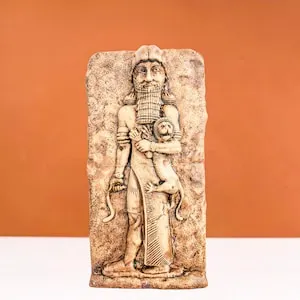
Anunnaki Holding Lions: Power and Divinity in Ancient Mesopotamian Art
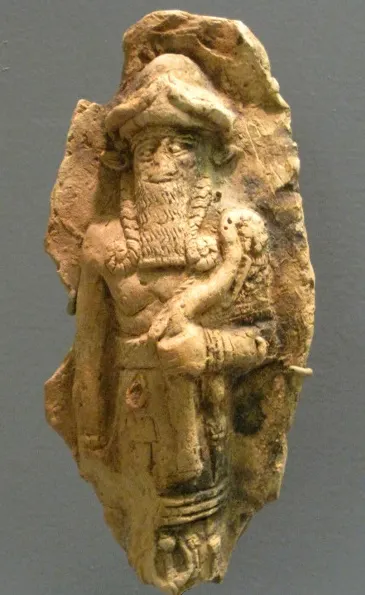
Over four millennia ago, the civilizations of ancient Mesopotamia produced some of the most enduring and symbolic works of art in human history. Among their most striking depictions are images of the Anunnaki—a pantheon of powerful deities—effortlessly holding full-grown lions in their arms. These artifacts, found in reliefs, cylinder seals, and monumental carvings, are more than artistic flourishes; they are carefully crafted symbols representing strength, divine authority, and control over the natural world.
Who Were the Anunnaki?
The term Anunnaki refers to a group of deities worshiped in Sumerian, Akkadian, Assyrian, and Babylonian traditions. In Sumerian mythology, the Anunnaki were believed to be the offspring of the sky god Anu and the earth goddess Ki. They were thought to preside over various aspects of life, justice, fertility, and the cosmic order.
Over centuries, the Anunnaki’s portrayal evolved, blending into the iconography of different Mesopotamian cultures. What remained constant, however, was their depiction as towering, commanding figures embodying divine authority.
The Lion as a Symbol in Mesopotamian Culture
The lion has long been a universal emblem of power and majesty, and in ancient Mesopotamia, it held profound symbolic weight:
-
Strength and Dominance: Lions were apex predators, feared and respected.
-
Royal Authority: Kings were often compared to lions in both physical might and protective duty.
-
Divine Power: By associating lions with the gods, artists reinforced the belief that deities ruled over all creatures, even nature’s fiercest beasts.
In Mesopotamian belief, the ability to control a lion was not simply a sign of physical strength—it was a statement of cosmic mastery.
Artistic Depictions of the Anunnaki Holding Lions
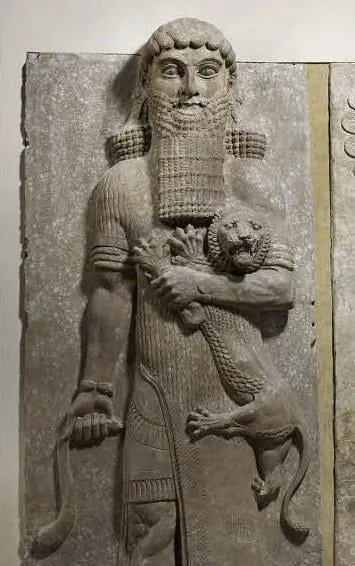
Across Mesopotamian art, particularly in Assyrian palace reliefs and Sumerian carvings, we see gods and sometimes kings portrayed grasping lions with ease.
Key visual elements include:
-
The Effortless Grip: The deities often hold lions calmly, without signs of struggle, highlighting their supreme control.
-
Full-grown Lions: This choice amplifies the feat’s magnitude—only beings of immense power could handle such creatures.
-
Stylized Postures: The figures stand tall, often adorned in elaborate garments, underscoring their majesty and divine stature.
Symbolism of the Anunnaki with Lions
1. Divine Strength
The image communicates an unspoken truth: the gods possess not just the physical power to subdue dangerous forces but the authority to command them at will.
2. Harmony Through Control
By controlling the lion without harming it, the Anunnaki are shown as bringers of balance—maintaining order in the cosmos by reigning in chaos without destruction.
3. Royal Parallels
Kings of Mesopotamia often styled themselves as earthly representatives of the gods. The depiction of deities holding lions mirrored royal lion-hunting scenes, reinforcing the king’s legitimacy as a divinely sanctioned ruler.
The Lion Hunt and Its Connection to Divinity
In Mesopotamian art, the lion hunt was a popular royal motif. Assyrian kings, such as Ashurbanipal, were famously depicted slaying lions as a demonstration of courage and dominance.
However, in divine imagery, the lions were not slain—they were mastered. This subtle difference reveals a deeper layer of meaning:
-
For kings, the hunt showed their ability to protect the people.
-
For gods, control without killing symbolized eternal authority and the preservation of balance in the natural order.
Materials and Artistic Techniques
The depictions of the Anunnaki holding lions were created using a variety of mediums:
-
Stone Reliefs: Found in palace walls, carved with intricate details.
-
Cylinder Seals: Small, portable art pieces used to stamp images onto clay tablets.
-
Metalwork and Jewelry: Depicting the same motifs in miniature form.
These works required exceptional skill, especially in portraying the muscular realism of lions and the elaborate clothing and features of the deities.
Cultural and Religious Impact
The imagery of the Anunnaki with lions served multiple purposes:
-
Religious Reinforcement: It reminded worshippers of the gods’ protective and governing role.
-
Political Messaging: Kings leveraged such imagery to align themselves with divine authority.
-
Myth Preservation: The art helped pass down core beliefs about strength, leadership, and the cosmic order.
Interpretations in Modern Scholarship
Historians and archaeologists often debate the precise meaning behind these depictions. Some see them purely as symbols of power, while others suggest they might represent specific myths or ceremonial practices that are now lost to history.
A few scholars even propose that the imagery might have conveyed a protective charm—warding off evil and ensuring stability in the realm.
The Legacy of the Image in Later Cultures
The motif of divine beings controlling powerful animals appears in many cultures after Mesopotamia, from the Hercules and the Nemean Lion myth in Greece to Christian iconography of saints taming beasts. The Mesopotamian tradition likely influenced these later representations, underscoring its long-lasting cultural impact.
Modern Fascination with the Anunnaki
Today, the Anunnaki continue to capture the public imagination—appearing in academic research, popular documentaries, and even speculative theories about ancient civilizations. The image of a god calmly holding a lion endures as a potent reminder of humanity’s long-standing fascination with the relationship between power, nature, and divinity.
Preservation of Ancient Artifacts
Museums such as the British Museum, the Louvre, and the Iraq Museum preserve many of these artifacts. Archaeological sites across Iraq and Syria still hold some, though looters and conflicts have unfortunately destroyed or damaged many others.
Preservation efforts by archaeologists and cultural organizations aim to safeguard these irreplaceable treasures for future generations.
Conclusion
The ancient Mesopotamian depictions of the Anunnaki holding full-grown lions are more than striking artistic images. They are windows into the beliefs, values, and aspirations of one of humanity’s earliest civilizations.
In these works, we see a worldview that celebrated strength, order, and the divine responsibility to maintain balance in the natural world. The effortless mastery over the lion symbolizes the highest form of power: control without destruction.
As modern viewers, we can still feel the awe that ancient Mesopotamians must have experienced. Gazing upon their gods who could hold the king of beasts as easily as a child might cradle a pet. Reminders that true authority is as much about harmony as it is about dominance.
ALSO READ: Simon Petrus and the World’s First SIM-Free Mobile Phone: A Namibian Innovation