Simon Petrus and the World’s First SIM-Free Mobile Phone: A Namibian Innovation
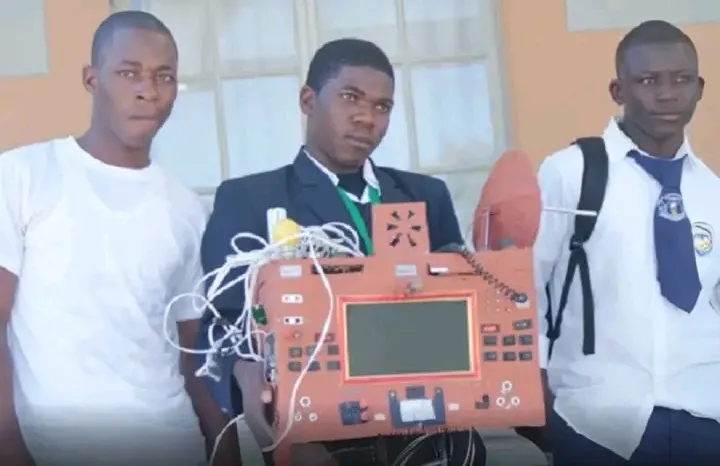
In a world where mobile connectivity is often tied to SIM cards, network towers, and costly infrastructure, a young Namibian student has disrupted the status quo. Simon Petrus, just 19 years old, has invented the world’s first SIM-free mobile phone—a device that uses radio frequencies to make calls without relying on any network provider. This groundbreaking creation not only reflects Namibia’s growing talent in technological innovation but also offers a revolutionary solution to connectivity challenges in remote regions.
Who is Simon Petrus?
Simon Petrus is a high school student from northern Namibia with a passion for electronics and problem-solving. Despite limited resources, he has managed to develop technological solutions that could potentially change how the world communicates. His work embodies African ingenuity, showcasing how creativity and determination can produce innovations that meet local and global needs.
The Technology Behind the SIM-Free Phone
Unlike traditional mobile phones that require SIM cards and connect via network operators, Petrus’s invention bypasses these limitations entirely.
How it works:
-
The phone uses radio frequencies to establish a direct communication link between devices.
-
It can make and receive calls without a SIM card or airtime.
-
The device does not require access to existing network infrastructure, meaning it can function in areas with zero cellular coverage.
This approach mirrors the principles of early two-way radios, but with the added convenience and portability of a mobile phone design.
Why This Invention Matters
1. Connectivity in Remote Areas
Many rural communities in Africa and other parts of the world lack reliable mobile networks. Building cell towers in such areas can be costly and logistically challenging. Petrus’s device could bridge this gap instantly.
2. Cost Savings
Without the need for SIM cards, airtime, or mobile contracts, users can communicate for free once they have the device. This could be transformative for low-income households.
3. Emergency Communication
In disaster zones where infrastructure is destroyed, this technology could enable instant communication among rescue teams and affected communities.
The Making of the SIM-Free Mobile Phone
Petrus built his prototype using scrap and affordable electronic components. The project took months of experimentation, trial, and error. He had previously worked on small electronic projects, which gave him the technical confidence to tackle this ambitious idea.
His invention reportedly includes:
-
A functional mobile casing
-
Radio frequency transmitters and receivers
-
A small antenna for signal transmission
-
Rechargeable battery system
This combination allows calls to be made without the traditional telecommunication network setup.
Potential Applications
Petrus’s SIM-free mobile phone could be used in:
-
Rural Villages – where network coverage is absent.
-
Military Operations – enabling secure, closed-network communication.
-
Field Research – scientists and explorers in isolated areas could stay connected.
-
Disaster Relief – ensuring communication when infrastructure collapses.
Challenges and Limitations
While the technology is promising, there are hurdles to overcome before mass adoption:
-
Range limitations: Radio frequency communication is often restricted to certain distances.
-
Scalability: Adapting the device for global markets would require addressing regulatory and frequency allocation issues.
-
Durability: Making the device rugged enough for field use in harsh conditions.
The Global Impact of a Local Invention
This is more than just a school science project—it’s a potential game-changer for global connectivity. If further developed, Petrus’s idea could complement existing networks, provide affordable communication solutions, and even inspire a new category of mobile devices.
The invention also challenges the dominance of big telecom companies by offering an alternative communication channel that does not depend on their infrastructure.
Encouraging Youth Innovation in Africa
Simon Petrus’s work is a reminder that talent exists everywhere, but opportunity does not. Supporting young inventors through funding, mentorship, and technical training can unlock solutions to problems that governments and corporations have struggled to address.
By investing in local talent, countries can create homegrown solutions that fit their unique challenges.
Recognition and Future Prospects
Petrus’s invention has already attracted attention from local and international media, as well as from innovation competitions in Namibia. With proper investment and engineering support, his prototype could evolve into a fully commercial product.
Potential next steps include:
-
Partnering with tech incubators for product development.
-
Collaborating with universities to refine the technology.
-
Seeking patents to protect intellectual property.
Conclusion
The story of Simon Petrus and his SIM-free mobile phone is a powerful example of innovation born from necessity. In an age dominated by high-tech giants, a 19-year-old from Namibia has shown that groundbreaking ideas can come from anywhere—and that the future of communication might not always depend on complex networks and expensive infrastructure.
As we look ahead, Petrus’s invention could be the key to unlocking affordable, universal communication—connecting the unconnected and giving every voice the chance to be heard.
ALSO READ: The Roman Armlet from Monte Albano: A Journey from Italy to New Zealand