The Sacrum Bone of Tequixquiac: America’s Ancient Artistic Treasure
Among the earliest known examples of prehistoric art from the American continent, the Sacrum Bone of Tequixquiac stands as a remarkable and mysterious relic. Carved between 14,000 and 7,000 BCE, this paleo-Indian sculpture—shaped like a canine—was discovered in Tequixquiac, Mexico, and remains one of the oldest known artistic expressions in the New World.
Made from the sacrum bone of a prehistoric camelid, the artifact is more than a sculpture. It’s a symbol of early symbolic thinking, spiritual practices, and the artistic capabilities of ancient peoples in the Americas.
What Is the Sacrum Bone of Tequixquiac?
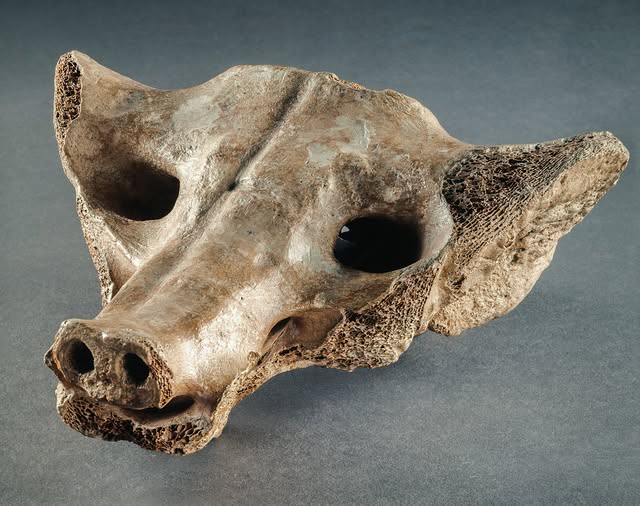
The Sacrum Bone of Tequixquiac is a small, zoomorphic sculpture made from the pelvic sacrum bone—a dense, triangular bone at the base of the spine—of a now-extinct camelid that lived during the Pleistocene epoch.
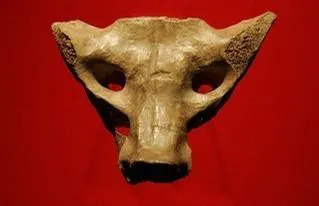
Carved to resemble the head of a dog or wolf, the bone displays intricate shaping and smoothed edges that indicate intentional, skillful workmanship by early humans. This ancient piece predates established Mesoamerican civilizations by thousands of years and is considered one of the first known pieces of art on the American continent.
Discovery of the Artifact
The sculpture was discovered in 1870 by Mariano de la Bárcena, a mining engineer and geologist, in the town of Tequixquiac, located in the present-day State of Mexico. The find occurred in a deep sedimentary layer, leading scholars to date the piece to somewhere between 14,000 and 7,000 BCE, placing it firmly in the Late Pleistocene to early Holocene period.
Its geological context, alongside other fossil remains of prehistoric fauna like mastodons and mammoths, further supports its antiquity. Today, the artifact resides in the National Museum of Anthropology in Mexico City, where it continues to intrigue visitors and researchers alike.
Materials and Craftsmanship
The sacrum bone used in the sculpture belonged to a Camelops, an extinct genus of camel that roamed North America during the Ice Age. The dense and resilient properties of the sacrum bone made it a valuable material for carving, while its anatomical location in the body may have imbued it with symbolic or spiritual significance.
Though small in size, the sculpture displays:
-
Smooth contours and polished surfaces
-
Symmetrical eye sockets and snout
-
A refined, animal-like form suggestive of symbolic intent
These features demonstrate advanced carving techniques, hinting at a complex understanding of tools, anatomy, and artistic representation among the prehistoric people who created it.
Symbolism and Sacred Significance
The sacrum bone has deep symbolic meaning across many cultures. In various Mesoamerican traditions, the sacrum was viewed as a sacred bone—often associated with the soul, fertility, and the connection between life and death.
Though the carving at Tequixquiac predates organized religion or known mythologies in Mesoamerica, scholars speculate that:
-
The canine shape could symbolize a spiritual guide or protector, as dogs were often linked with the afterlife in later Aztec and Maya cultures.
-
The use of the sacrum bone may have held ritual importance, suggesting early forms of shamanism or animism.
-
The sculpture may have been used in ceremonial contexts, acting as a totem or spiritual artifact for the community.
This rich symbolic layering places the artifact in a proto-spiritual or proto-religious context, illustrating the deep thinking and cultural awareness of early humans in the Americas.
Comparison With Other Early Artifacts
The Sacrum Bone of Tequixquiac is unique in the context of New World archaeology. While prehistoric cave paintings and carvings in Europe—like those at Lascaux or Chauvet—are more famous, the American continent has fewer examples of Ice Age art.
Other similar early American artifacts include:
-
The Monte Verde site in Chile (circa 12,500 BCE) – known for its early habitation, but not artistic output.
-
Clovis culture tools – notable for craftsmanship, but primarily utilitarian.
In contrast, the Sacrum Bone of Tequixquiac appears purely symbolic, serving no apparent practical purpose—marking it as an object of expression, spirituality, or ritual.
Theories and Interpretations
The true function and meaning of the sculpture remain speculative, but leading theories include:
1. Totemic Representation
It may represent a tribal totem symbolizing a specific group, animal guide, or ancestor.
2. Shamanistic Use
The sculpture could have been used in ritual trance ceremonies by a shaman to invoke or channel animal spirits.
3. Burial Object
The bone may have accompanied the dead in burial rites, representing a guide to the afterlife or a symbol of transformation.
Scientific and Cultural Impact
The Sacrum Bone of Tequixquiac has reshaped how scholars view the cognitive and cultural development of early Americans. It offers direct evidence that:
-
Artistic expression existed in prehistoric North America well before the rise of cities or agriculture.
-
Symbolic thinking—a core trait of humanity—was present among the continent’s earliest inhabitants.
-
There were spiritual or ceremonial dimensions to life even in Ice Age communities.
Its discovery highlights the continuity of symbolic use of bones, later seen in Mesoamerican burial and sacrificial practices.
Public Display and Legacy
The sculpture is currently preserved and displayed at the National Museum of Anthropology in Mexico City. One of the world’s leading institutions for Mesoamerican history. It continues to captivate audiences with its simplicity, mystery, and powerful symbolism.
Replicas and 3D models have been used in museums and educational programs globally. To illustrate the depth of prehistoric culture in the Americas.
Conclusion: A Timeless Glimpse Into Prehistoric Creativity
The Sacrum Bone of Tequixquiac is not just a piece of carved bone—it is a bridge across time. Created thousands of years ago by an unknown artist using primitive tools. It captures the beginnings of human creativity, symbolism, and spirituality on the American continent.
Its survival and discovery open a rare window into a world. Where early humans were not only hunters and gatherers but also thinkers, artists, and spiritual beings. As one of the oldest known artifacts of its kind. It reminds us that art is one of humanity’s most enduring languages.
ALSO READ: The 8,000-Year-Old Marble Female Figurine Discovered in Çatalhöyük