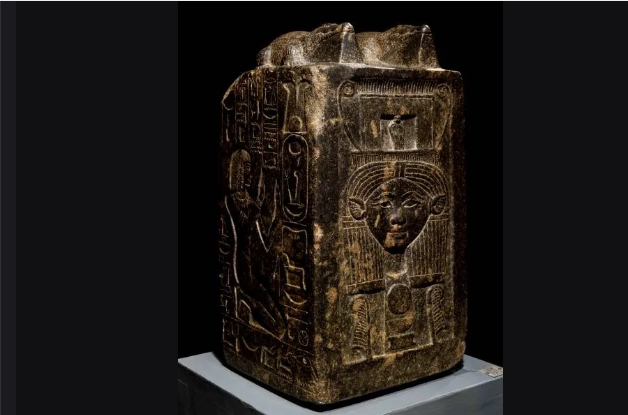
Cube with Relief of Nebnefer: A Timeless Artifact from the Reign of Amenhotep III
Among the artistic marvels of Ancient Egypt, the Cube with Relief of Nebnefer stands out as a unique and significant artifact. Dating from the reign of Amenhotep III (circa 1391–1353 BCE), this granodiorite sculpture is a fascinating glimpse into the religious, social, and artistic life of Egypt’s 18th Dynasty.
Discovered at the Sobek Temple in Dahamsha, this artifact reflects the craftsmanship and cultural symbolism of the time. In this article, we’ll explore its historical context, stylistic features, religious significance, and what it reveals about the man behind the cube—Nebnefer.Historical Context: The Age of Amenhotep III
The cube dates back to the reign of Amenhotep III, one of the most powerful and prosperous pharaohs of Ancient Egypt’s New Kingdom period. His rule marked a golden age characterized by diplomatic wealth, expansive building projects, and flourishing art.
Amenhotep III’s reign is often seen as a peak in Egyptian civilization, with grand temples, statues, and reliefs reflecting divine kingship and order. The Sobek Temple, where this cube was discovered, was dedicated to the crocodile god Sobek, a deity associated with strength, fertility, and the Nile’s life-giving waters.
Who Was Nebnefer?
The man depicted on this cube, Nebnefer, was a high-ranking official or priest, though not a pharaoh himself. His name translates to “The Perfect Lord” or “Lord of Beauty,” indicating noble status. Artifacts like this cube were often commissioned by such individuals to honor their service and devotion to the gods—and to ensure their eternal presence in the afterlife.
Nebnefer’s position, likely tied to the temple of Sobek, suggests that he held considerable influence during Amenhotep III’s reign. His decision to create a cube statue reflects a growing trend in funerary and temple art where non-royal figures gained permission to erect monuments in sacred spaces.
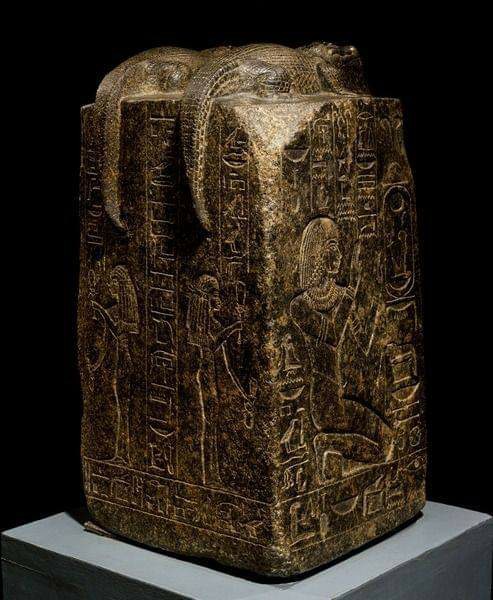
What Is a Cube Statue?
The cube statue is a distinctive form in ancient Egyptian sculpture. Characterized by its compact, cubic shape with the figure seated and limbs pulled tightly against the body, this format allowed for inscriptions and reliefs to cover all sides of the sculpture.
Key Features:
-
Compact Form: The body is reduced to a block-like shape, often seated with arms and legs folded inwards.
-
Inscribed Surfaces: All four sides of the cube can carry texts and reliefs, making it an efficient medium for both artistic expression and hieroglyphic communication.
-
Funerary and Temple Use: These statues were often placed in temples as votive offerings or in tombs to house the ka (soul) of the deceased.
Material: Granodiorite and Its Symbolic Value
The cube of Nebnefer is crafted from granodiorite, a dense and durable stone composed mainly of quartz and feldspar. This material was often used for monuments intended to last for eternity—an essential quality for items linked to afterlife beliefs.
Granodiorite was considered a precious material because of its hardness and resistance to weathering. Making it ideal for temple art and statues that stood in the open or were exposed to public view. Its subtle sparkle and dark hue also lent the artifact a sense of solemnity and reverence.
Artistic Detail: The Relief of Nebnefer
Although compact in form, the relief work on the cube is anything but simplistic. The artist rendered Nebnefer’s figure with delicate precision—dignifying his features and composing his posture with graceful balance. This stylization reflects both artistic conventions of the 18th Dynasty and the desire to present the subject in an idealized, eternal form.
Highlights of the Relief:
-
Facial Features: Typical of the period, the face is smooth and idealized, with a serene expression.
-
Attire: Nebnefer wears a traditional kilt and likely dons a wig, typical attire for male officials in temple settings.
-
Hieroglyphic Inscriptions: The sides of the cube bear inscriptions detailing his name, titles, and perhaps prayers or dedications to Sobek or other gods.
-
Proportional Harmony: Despite the cube’s geometry, the proportions of the figure remain harmonious—a testament to the skill of the artisan.
Religious Function: Connecting Earth to Eternity
Like many ancient Egyptian artifacts, the Cube with Relief of Nebnefer had both artistic and religious significance. Ancient Egyptians believed these statues served as dwelling places for the soul (ka) in the afterlife. They could receive offerings and participate in temple rituals symbolically.
Because archaeologists found it in a temple dedicated to Sobek, the cube may have also served as a votive object. A personal offering from Nebnefer to the god, seeking divine favor or eternal protection.
Religious Themes Reflected:
-
Eternal Life: The cube symbolizes stability and permanence, reflecting the Egyptian belief in an everlasting afterlife.
-
Divine Intercession: By placing his image in a temple, Nebnefer ensured ongoing interaction with the gods.
-
Social Memory: These statues acted as tools for remembrance, ensuring that future generations would know the name and legacy of the deceased.
Discovery Site: Sobek Temple at Dahamsha
The Sobek Temple at Dahamsha is not as well-known as major sites like Karnak or Luxor. But its discovery has yielded significant artifacts, including the cube statue of Nebnefer. Temples like this one were important religious centers in provincial Egypt. Dedicated to regional deities who were also part of the greater Egyptian pantheon.
Finding the cube here highlights the interconnectedness of local and national religion. During the New Kingdom and the ability of non-royal elites to participate in temple life through dedications and artistic commissions.
Where Is It Now?
Today, a major museum likely houses the Cube with Relief of Nebnefer. Or under the protection of Egypt’s Supreme Council of Antiquities. Pieces like this are part of curated collections worldwide. Offering scholars and the public a direct link to ancient Egypt’s vibrant spiritual and social worlds.
(If you’d like, I can check the exact location with current museum records.)
Conclusion: A Monument to Memory and Devotion
The Cube with Relief of Nebnefer is far more than a carved stone. It’s a message from the past—speaking of devotion, artistry, status, and eternal hope. Created during one of Egypt’s most glorious periods, it bridges the mortal and divine. Embodying the belief that a life well-lived deserves remembrance forever.
Whether you’re a student of Egyptology, an art enthusiast, or simply a curious traveler through history. The story of Nebnefer and his remarkable cube statue offers a rich and enduring legacy.
ALSO READ: The Arch of Septimius Severus in Rome: A Monument of Imperial Power