4,700-Year-Old Ball of Yarn Discovered in Switzerland: A Neolithic Masterpiece of Early Textile Craft
An Unexpected Discovery from Deep Time
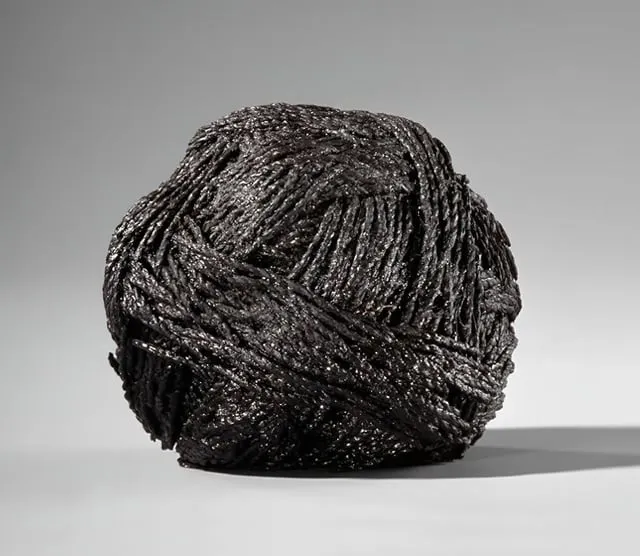
In the quiet village of Lüscherz, near the shores of Lake Bienne (Bielersee) in Switzerland, archaeologists recently unearthed something extraordinary — a 4,700-year-old ball of yarn, dating back to around 2700 BCE.
At first glance, it may seem like a simple tangle of fibers. Yet, this delicate artifact holds immense historical significance. Organic materials like yarn rarely survive the millennia, making this discovery a rare window into Neolithic life — a time when humanity was learning to cultivate the land, weave fabrics, and build permanent homes.
This small, fragile ball of yarn carries with it a profound message: even in prehistory, people valued creativity, skill, and innovation.
A Discovery Beneath the Waters of Time
The yarn was discovered during excavations at Lüscherz, one of several Neolithic pile-dwelling sites around Lake Bienne. These settlements, built on wooden stilts along lakeshores, are famous for their exceptional state of preservation.
Thousands of years ago, the combination of waterlogged conditions, sediment layers, and low oxygen levels created a natural time capsule. Wooden tools, textiles, food remains, and now — this ball of spun yarn — have survived nearly intact beneath layers of peat and mud.
Archaeologists believe that the yarn remained preserved because it was buried in an oxygen-free environment, which prevented bacteria and fungi from breaking it down.
Such conditions are rare, making finds like this archaeological miracles.
The Neolithic Context: Life Around Lake Bienne
Around 2700 BCE, the region surrounding Lake Bienne was home to vibrant Neolithic farming communities. These were among Europe’s first sedentary societies, cultivating crops like wheat and barley, raising cattle and sheep, and building semi-permanent dwellings from timber, reeds, and clay.
The lakes of western Switzerland, including Lake Bienne, Lake Neuchâtel, and Lake Geneva, hosted dozens of such villages. Their remains are now part of the UNESCO World Heritage Site known as the “Prehistoric Pile Dwellings around the Alps.”
These settlements reveal that Neolithic Europeans were far more sophisticated than once thought — skilled in agriculture, woodworking, pottery, and now, textile production.
The Yarn: A Testament to Early Textile Technology
The newly discovered 4,700-year-old yarn is more than a simple thread — it represents the culmination of technological and cultural progress.
Archaeological analysis suggests that the yarn was made by spinning plant fibers, possibly from flax (used to make linen) or nettle, both common in Neolithic Europe. These fibers were twisted together into strands, which were then wound into a small ball for later use.
Such yarn could have been used to make:
-
Clothing – woven or stitched garments for protection and display.
-
Fishing nets – vital for lakeside communities dependent on fish.
-
Bags or cords – for carrying food, tools, or tying objects together.
The presence of yarn also implies the existence of spinning tools, such as spindle whorls or spinning sticks, and weaving looms — evidence of a well-developed textile culture.
The Significance of the Find: Connecting Past and Present
This small artifact carries enormous implications for our understanding of Neolithic life.
-
Technological Mastery
The yarn demonstrates that prehistoric people possessed advanced knowledge of fiber selection, processing, and spinning — skills requiring both technical expertise and artistic creativity. -
Economic and Social Complexity
The ability to produce textiles indicates a specialized craft economy. Not everyone in the village would have spun yarn; some individuals likely became dedicated craftspeople, trading or bartering their goods for food, tools, or other materials. -
Cultural Expression
Textiles often carried symbolic value — used in rituals, clothing, or status display. The act of spinning and weaving may also have held spiritual significance, linking humans with nature’s cycles of creation.
Organic Preservation: A Rare Glimpse into Prehistoric Craft
In most archaeological contexts, materials made from organic substances — like wood, cloth, or fibers — decay long before excavation. Only under unique conditions, such as peat bogs, frozen tundra, or submerged lakebeds, can these materials survive for thousands of years.
That’s why the discovery at Lüscherz is so valuable. It offers direct physical evidence of an ancient process that would otherwise be known only through indirect clues, such as loom weights or spindle fragments.
The yarn’s preservation allows scientists to conduct microscopic and chemical analyses, helping determine:
-
The type of fiber used (flax, nettle, hemp, or animal hair)
-
The spinning technique (direction of twist, fineness, and uniformity)
-
The tools and methods likely employed in its creation
Each thread carries data that expands our understanding of early human innovation.
Neolithic Textiles Across Europe
While the yarn from Lüscherz is one of Switzerland’s most remarkable finds, it joins a growing body of evidence showing that textile production was widespread in Neolithic Europe.
Similar discoveries include:
-
Flax fibers from Çatalhöyük (Turkey), dating back over 8,000 years.
-
Woven fragments from Bronze Age lake dwellings in Austria and Germany.
-
Spindle whorls and loom weights from Neolithic sites across the Alps.
Together, these finds challenge the stereotype of prehistoric humans as primitive. Instead, they reveal a world of craft, trade, and artistic expression that laid the foundations for later civilizations.
Lake Bienne and the UNESCO Pile Dwellings
The area around Lake Bienne is one of the most archaeologically rich regions in Switzerland. The pile dwellings, or “Pfahlbauten,” were wooden houses built on stilts above the water or on marshy ground.
These communities thrived between 5000 and 500 BCE, evolving from simple farming hamlets into organized settlements.
In 2011, UNESCO recognized these sites for their outstanding preservation of prehistoric heritage, noting that they provide an “unparalleled insight into early agrarian societies in Europe.”
The newly found yarn adds yet another layer to this story — illustrating not just how these people lived, but how they worked, dressed, and expressed themselves.
The Human Story: Threads That Bind Time
It is easy to overlook the significance of a single thread. But in this case, that thread stretches across nearly five millennia, connecting modern humanity with its ancient ancestors.
The people who spun this yarn lived in wooden houses, tended crops, raised children, and looked across the same lake that glitters in Switzerland today. Their daily concerns — warmth, shelter, sustenance — echo faintly through the ages.
This fragile artifact reminds us that civilization is built not only on stone and metal. But also on the soft materials of everyday life — the fibers, fabrics, and tools that clothed and sustained our ancestors.
Conclusion: The Yarn That Wove a Civilization
The 4,700-year-old yarn discovered near Lake Bienne is far more than an archaeological curiosity. It’s a symbol of human ingenuity and continuity.
It reveals that even in the Neolithic era, communities around the Swiss lakes had already mastered the delicate art of spinning fibers into thread — an innovation that would transform human life forever.
From that first humble twist of fiber came the woven fabrics that would define culture, commerce, and comfort for millennia to come.
As archaeologists gently unwind the story of this ancient yarn, they unravel not just fibers. But the very fabric of our shared human past.
ALSO READ: Oskar Speck: The Man Who Paddled from Germany to Australia (1932–1939)