The 17th-Century Ottoman Tent: Luxury and Power at the Battle of Vienna
A Tent of Power and Prestige
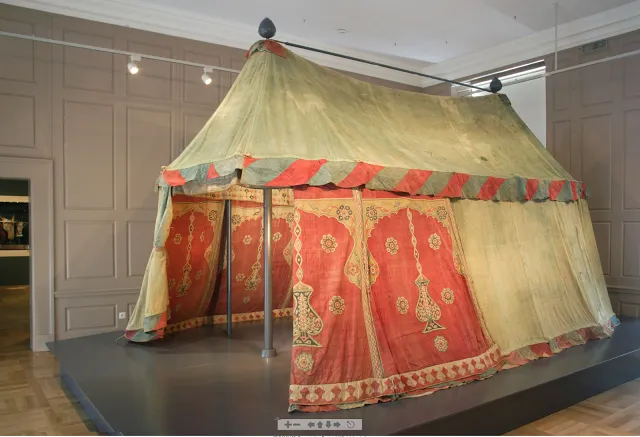
In the annals of military history, few objects capture the grandeur and prestige of empires like the 17th-century Ottoman tent displayed today at Wawel Royal Castle in Kraków, Poland. Captured during the Battle of Vienna in 1683, this tent offers a rare glimpse into the sophisticated world of Ottoman military culture.
Far from being a simple shelter, the tent was a symbol of authority, power, and luxury, embodying the empire’s attention to artistry even amidst the chaos of war. Constructed from a combination of linen, silk, and silvered and gilt leather, it reflects both practical needs and ceremonial aesthetics, designed to impress allies and intimidate foes alike.
The Battle of Vienna: Historical Context
To understand the significance of this Ottoman tent, one must consider the historical backdrop of the Battle of Vienna.
Key Facts About the Battle:
-
Date: September 12, 1683
-
Combatants: Ottoman Empire vs. Holy Roman Empire and Polish-Lithuanian Commonwealth
-
Significance: Marked a turning point in European-Ottoman relations, halting Ottoman expansion into Central Europe
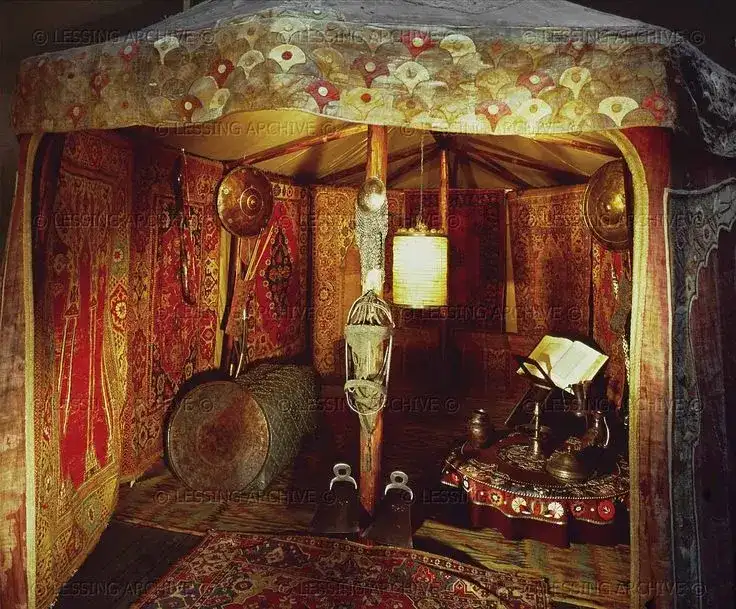
During this campaign, Ottoman commanders traveled with lavishly decorated tents, reflecting their high status and authority on the battlefield. The tents served as command centers, ceremonial spaces, and visual statements of power, reinforcing the prestige of Ottoman leaders while signaling dominance over both allies and enemies.
Craftsmanship and Materials: A Testament to Luxury
The 17th-century Ottoman tent is not only historically significant but also an artistic marvel. Its construction reveals meticulous attention to detail, blending functionality with opulence.
Materials Used:
-
Linen: Lightweight and durable, providing structural support
-
Silk: Luxurious and decorative, symbolizing wealth and sophistication
-
Silvered and gilt leather: Enhanced both protection and visual impact, reflecting sunlight and adding ceremonial grandeur
These materials were carefully selected for both practical and symbolic purposes. Linen ensured breathability and stability, silk added elegance, and metallic leather created a shimmering spectacle on the battlefield.
Decorative Elements:
-
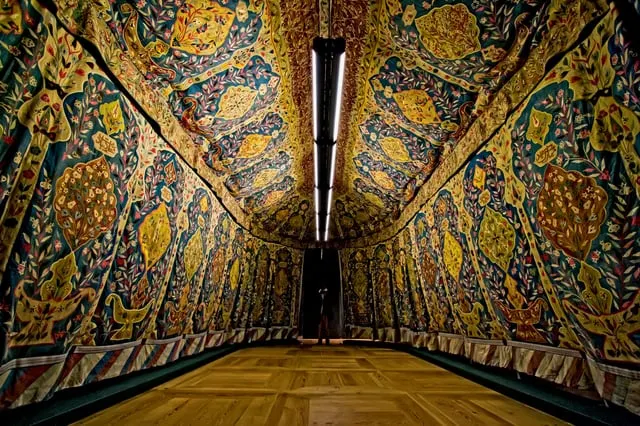
Embossed and gilt patterns illustrating Islamic art motifs
-
Intricate embroidery highlighting status and identity
-
Harmonious color combinations emphasizing Ottoman aesthetics
The result is a tent that is both functional and ceremonial, demonstrating how the Ottomans seamlessly merged artistry with military necessity.
Purpose and Function: More Than Just Shelter
Ottoman tents like this one were multifunctional structures, integral to both military operations and ceremonial protocol.
Military Use:
-
Served as mobile headquarters for commanders
-
Allowed strategizing and issuing orders in privacy
-
Functioned as a protective space against the elements and enemy spies
Ceremonial Use:
-
Symbolized rank and power during encampments and military reviews
-
Impress allies and intimidate opponents with visible luxury
-
Hosted diplomatic meetings and social gatherings
By combining practicality and grandeur, Ottoman tents reinforced the authority and image of the empire, showing that even in war, appearance and status were carefully curated.
Symbolism: Power, Prestige, and Cultural Identity
The tent captured at Vienna was more than a physical structure—it was a symbolic extension of the Ottoman Empire itself.
-
Power: Only high-ranking commanders had access to such opulent tents
-
Prestige: Ornamentation and materials broadcasted wealth and status
-
Cultural Identity: Decorative motifs reflected Islamic art and Ottoman aesthetic values, reinforcing cultural pride
In essence, these tents were mobile palaces, encapsulating the grandeur and sophistication of the Ottoman military elite while projecting authority across the battlefield.
Preservation and Display at Wawel Royal Castle
Today, the tent is carefully preserved and displayed at Wawel Royal Castle, one of Poland’s most important historical sites. Its conservation allows visitors to witness the luxury and craftsmanship of 17th-century Ottoman military life.
Preservation Efforts:
-
Stabilization of delicate silk and leather surfaces
-
Protection from humidity, light, and other environmental factors
-
Display within climate-controlled exhibition spaces to prevent further degradation
Through these measures, the tent continues to serve as a tangible connection to one of Europe’s most significant clashes with the Ottoman Empire, offering historians, students, and tourists alike the opportunity to engage directly with history.
The Ottoman Empire and Military Culture
This tent also provides insight into the broader military culture of the Ottoman Empire, which combined strategic acumen with ceremonial display. Commanders were expected to maintain authority not just through tactics but also through visual representation of their rank.
Key Aspects of Ottoman Military Culture:
-
Highly organized hierarchical command
-
Use of symbols and regalia to convey power
-
Integration of artistry into functional military objects
-
Strategic mobility facilitated by portable, luxurious encampments
Tents like this one reflect a culture that valued image, prestige, and symbolism as much as battlefield success.
Impact on European Perception
The presence of such lavish tents on the battlefield left a lasting impression on European observers. Ottoman camps were not merely military installations; they were visual statements of imperial authority. The capture of this tent at Vienna symbolized a cultural and military victory, giving Europeans a rare glimpse into Ottoman luxury and craftsmanship while asserting their own triumph in the conflict.
Legacy: A Window into the Past
The tent at Wawel Castle allows modern audiences to experience a piece of Ottoman history firsthand. Beyond its historical and military importance, it is a masterpiece of textile and leather art, offering insights into 17th-century techniques, materials, and aesthetics.
Visitors today can reflect on:
-
The sophistication of Ottoman military logistics
-
The blend of artistry and practicality in battlefield equipment
-
The cultural significance of ceremonial military objects
It remains a testament to the enduring influence of the Ottoman Empire on European history and material culture.
Conclusion: More Than a Tent
This 17th-century Ottoman tent is not just an artifact; it is a symbol of power, luxury, and artistry. Captured during the Battle of Vienna, it reflects both the practical needs of commanders and the ceremonial grandeur of Ottoman military life.
Through its preservation at Wawel Royal Castle, the tent continues to educate and inspire, bridging centuries and cultures. Visitors can witness the finest craftsmanship of an empire, gain insight into battlefield culture, and appreciate the sophistication of one of history’s most formidable military powers.
From linen and silk to silvered leather, this tent encapsulates a moment in history when warfare and luxury intersected, reminding us that even amidst conflict, the Ottomans never sacrificed artistry, symbolism, or prestige.
ALSO READ: The Earliest “Vehicle”? 22,000-Year-Old Drag Marks at White Sands Reveal Ancient Travois Use