1,300-Year-Old Bread Loaves Discovered in Turkey: Ancient Christian Artifact Featuring Jesus
A Rare Glimpse into Byzantine Daily Life
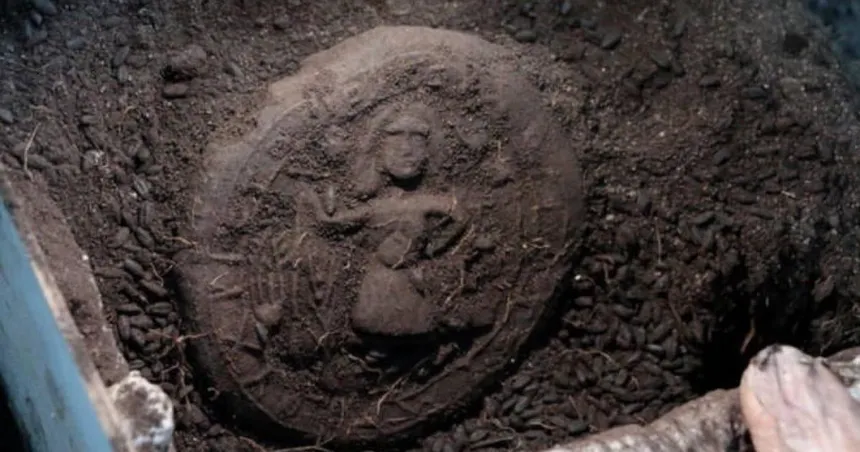
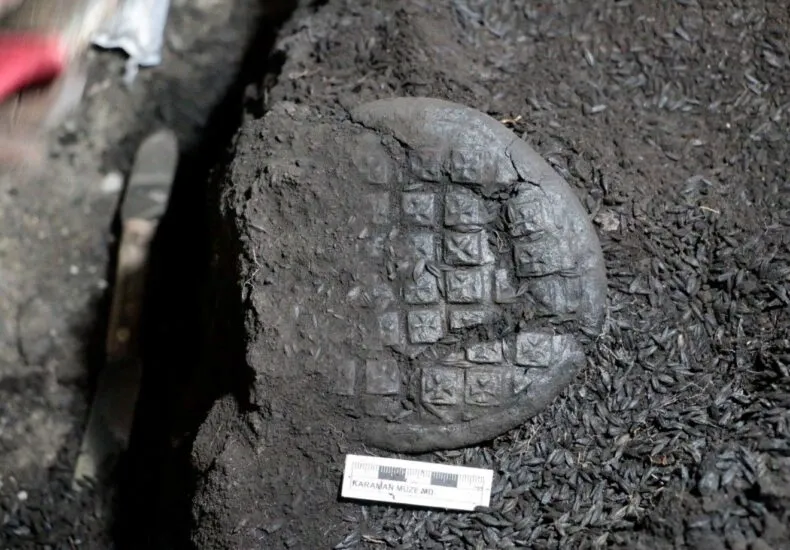
Archaeologists in Turkey have uncovered a remarkable find: five bread loaves dating back 1,300 years, preserved in astonishing detail. Among these loaves, one bears an image of Jesus Christ and a Greek inscription reading: “with our thanks to Blessed Jesus.”
This extraordinary discovery offers a rare window into Byzantine-era religious practice, daily life, and devotion, demonstrating the intersection of faith and sustenance in medieval society. The bread loaves, remarkably intact after over a millennium, are among the oldest known examples of edible items intentionally blessed and commemorated in a religious context.
The Discovery: Preserved Bread from the Byzantine Era
Where and How the Loaves Were Found
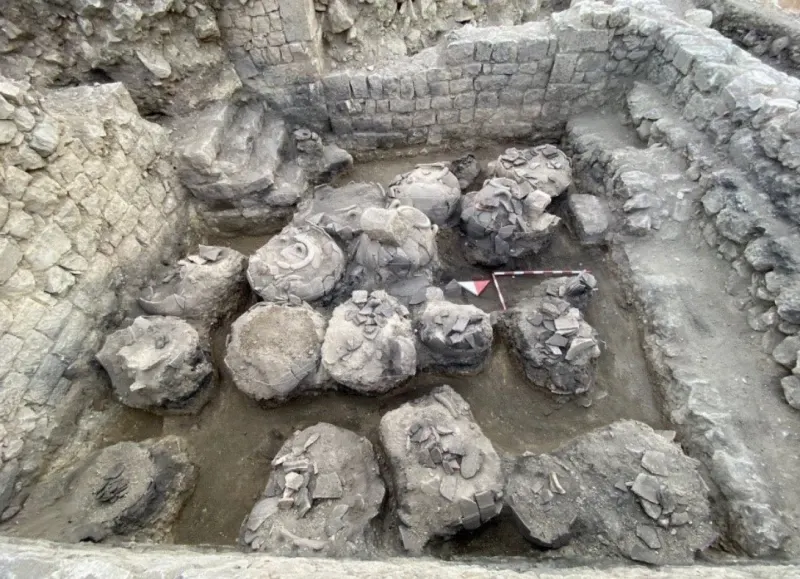
The bread was uncovered in a well-preserved archaeological site in Turkey, likely associated with a Byzantine monastery or church complex. Archaeologists carefully extracted the loaves, noting their remarkable condition, despite centuries underground.
The loaves’ preservation is attributed to exceptional environmental conditions, such as dry soil, stable temperatures, and minimal exposure to moisture or microorganisms — factors that slowed decomposition and kept their shape intact.
Details of the Loaves
-
Quantity: Five loaves
-
Age: Approximately 1,300 years old (dating to around the 8th century CE)
-
Material: Wheat flour, water, and salt (typical of Byzantine bread)
-
Special Features: One loaf features a carved image of Jesus with an accompanying Greek blessing
The combination of imagery and text suggests that these were specially consecrated breads, possibly used for religious ceremonies, charitable offerings, or monastic rituals.
The Significance of the Image and Inscription
Jesus Depicted in Byzantine Bread
The presence of Jesus’ image on the bread is a striking reminder of the role of faith in everyday life during the Byzantine Empire. Bread was not merely sustenance; it was also a symbolic and spiritual medium.
The carved image of Jesus indicates that this bread was likely used in a liturgical context, possibly in connection with the Eucharist or as an offering to the faithful.
Greek Inscription: A Blessing for the Faithful
The inscription — “with our thanks to Blessed Jesus” — emphasizes gratitude and devotion, highlighting the deep spiritual connection between daily sustenance and religious practice. Greek was the lingua franca of the Byzantine Empire, and inscriptions such as this were common in religious artifacts, including manuscripts, icons, and now, remarkably, bread.
This inscription underscores the intertwining of food and faith, suggesting that even ordinary items could carry spiritual significance in medieval Christian communities.
Bread in the Byzantine World
Diet and Daily Life
In the Byzantine Empire, bread was a staple food, central to both daily meals and religious practice. Ordinary loaves were typically simple, made from wheat, barley, or rye, and provided the bulk of daily nutrition.
However, ritual breads like the one discovered often featured religious symbols or inscriptions, elevating them from mere sustenance to sacred objects. These loaves might have been used in church feasts, pilgrimages, or charitable distributions to the poor.
Symbolism in Christian Rituals
Christianity has long associated bread with divine blessing and spiritual nourishment. The most well-known example is the Eucharist, where bread symbolizes the body of Christ. The discovery of this loaf reinforces the continuity of this tradition, illustrating how symbolic representation of Christ extended even into everyday food items in the Byzantine era.
Insights Into Byzantine Religious Practices
Religious Devotion in Daily Life
The Dated bread loaves provide evidence that faith permeated all aspects of life, from worship to sustenance. The meticulous carving of Jesus’ image indicates intentional religious dedication, suggesting that monks or artisans devoted considerable care to creating objects that reflected their spiritual beliefs.
Charitable Distribution and Communal Feeding
It is likely that these loaves were intended for distribution among worshippers or the poor, reflecting the Byzantine emphasis on almsgiving and communal sharing. Food and faith were intertwined: providing bread was both a physical and spiritual act.
Preservation and Archaeological Techniques
How the Loaves Survived 1,300 Years
The preservation of organic material like bread for over a millennium is exceptionally rare. Factors contributing to their survival include:
-
Stable underground conditions
-
Low humidity and minimal microbial activity
-
Rapid burial protecting them from environmental exposure
Scientific Examination
Archaeologists used radiocarbon dating to determine the age of the loaves and microscopic analysis to study the ingredients and carving techniques. The detailed examination confirmed that the loaf with Jesus’ image was intentionally engraved prior to baking, demonstrating a sophisticated level of craftsmanship.
Implications of the Discovery
Challenging Perceptions of Everyday Life
The discovery provides a rare glimpse into the daily lives and spiritual practices of Byzantine Christians. Unlike monumental architecture or manuscripts, bread is fragile and perishable, meaning few examples survive. These loaves help bridge the gap between ordinary people and the grand narratives of history, revealing a culture where even food carried religious meaning.
A Link Between Past and Present
The bread loaves serve as a tangible connection to the spiritual lives of medieval Christians. By studying them, historians gain insight into religious devotion, social practices, and artistic expression in a period that is otherwise primarily known through texts and monumental remains.
Visiting and Viewing Byzantine Artifacts
Although archaeologists may house the loaves in laboratories or museum collections for preservation, the discovery is sparking significant interest in Turkey’s Byzantine heritage sites.
Visitors to the region can explore:
-
Ancient churches and monasteries
-
Byzantine ruins and mosaics
-
Cultural heritage centers showcasing artifacts like the bread loaves
This discovery enhances the appeal of Byzantine studies for both scholars and tourists. Highlighting how small, everyday objects can illuminate history in profound ways.
Conclusion: Bread as a Medium of Faith and History
The discovery of 1,300-year-old bread loaves in Turkey, especially the one inscribed with Jesus’ image and blessing, is truly extraordinary. It reminds us that people do not record history solely in stone, manuscripts, and monuments. But also in the humble objects of daily life.
In this society, people deeply intertwined religion, artistry, and sustenance in their daily lives. They offer a rare and intimate glimpse into the spiritual, cultural, and practical life of Byzantine Christians.
As scholars continue to study these loaves. They reinforce a timeless truth: even the simplest objects — like bread — can carry immense historical and symbolic weight. Connecting us directly to the lives and beliefs of those who lived more than a millennium ago.
ALSO READ: Explore the Ancient Inca Ruins at Isla del Sol, Bolivia